Hawai’i Blacksnakeroot: A Rare Native Gem Worth Protecting
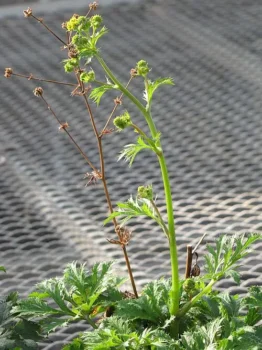
Meet Hawai’i blacksnakeroot (Sanicula sandwicensis), a charming little native Hawaiian plant that’s as special as it is rare. This unassuming perennial forb might not be the showiest plant in the garden, but it holds tremendous value for anyone passionate about preserving Hawaii’s unique botanical heritage.
What Makes This Plant Special?
Hawai’i blacksnakeroot is what botanists call a forb—essentially a soft-stemmed herbaceous plant that lacks woody tissue. As a perennial, it returns year after year, forming a lovely groundcover with its compound leaves and delicate clusters of small white to greenish-white flowers arranged in umbrella-like formations called umbels.
This plant is endemic to the Hawaiian Islands, meaning it exists nowhere else on Earth. You’ll find it naturally growing on several islands including Maui and the Big Island, typically tucked away in shaded forest understory areas.
- Species observed
- No observations
A Plant in Peril
Important Conservation Note: Before we dive into growing tips, it’s crucial to understand that Hawai’i blacksnakeroot is listed as Endangered and carries a Global Conservation Status of S2 (Imperiled). This means there are typically only 6-20 known occurrences with roughly 1,000-3,000 individuals remaining in the wild.
If you’re interested in growing this remarkable native, please ensure you source it only from reputable native plant nurseries that propagate from legally collected seeds or cuttings—never collect from wild populations.
Garden Role and Landscape Design
In the right garden setting, Hawai’i blacksnakeroot serves as an excellent:
- Groundcover for shaded areas
- Understory plant in native Hawaiian woodland gardens
- Conservation garden specimen
- Educational plant for demonstrating Hawaiian flora
This plant is perfect for gardeners creating authentic native Hawaiian landscapes or anyone passionate about supporting local ecosystems through indigenous plantings.
Growing Conditions and Care
Hawai’i blacksnakeroot thrives in conditions that mimic its natural forest habitat:
Light Requirements: Partial to full shade—protect from direct sunlight which can stress the plant
Soil Needs: Well-draining soil enriched with organic matter, consistent moisture without waterlogging
Climate: Suitable for USDA hardiness zones 10-12, requiring tropical to subtropical conditions
Planting Tips:
- Choose a location with morning sun and afternoon shade
- Amend soil with compost or leaf mold to improve organic content
- Maintain consistent soil moisture, especially during establishment
- Mulch around plants to retain moisture and suppress weeds
Wildlife and Pollinator Benefits
While small in stature, the delicate umbel flowers of Hawai’i blacksnakeroot provide nectar and pollen for native Hawaiian insects and other small pollinators. By growing this plant, you’re supporting the complex web of native species that depend on indigenous flora.
Should You Grow Hawai’i Blacksnakeroot?
The answer is a cautious yes—but only if you can source it responsibly. This plant represents an opportunity to participate in conservation while enjoying a unique piece of Hawaiian natural history in your garden. However, given its endangered status, it’s not a plant to grow casually.
Consider Hawai’i blacksnakeroot if you:
- Are committed to native Hawaiian plant conservation
- Have appropriate shaded growing conditions
- Can source plants from ethical, legal suppliers
- Want to support local ecosystem restoration efforts
By choosing to grow this rare native, you’re not just adding an interesting plant to your garden—you’re becoming a guardian of Hawaii’s irreplaceable botanical heritage. Just remember: with great plants comes great responsibility!