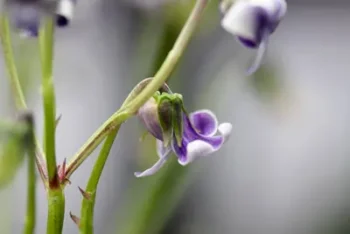
Hawai’i Bog Violet: A Rare Native Treasure Worth Protecting
Meet the Hawai’i bog violet (Viola maviensis), one of Hawaii’s most elusive native wildflowers. This delicate perennial herb might be small in stature, but it plays a big role in the islands’ unique high-elevation bog ecosystems. If you’re passionate about native Hawaiian plants and conservation gardening, this rare violet deserves a spot on your radar.
What Makes This Violet Special?
The Hawai’i bog violet is a true Hawaiian endemic, meaning it exists nowhere else on Earth. This petite forb herb belongs to the beloved violet family, producing the characteristic small, charming flowers that make violets so recognizable. Unlike its more common cousins, this species has adapted to thrive in Hawaii’s specialized bog environments at higher elevations.
As a perennial plant, it returns year after year, making it a permanent resident of its boggy home. The plant lacks significant woody tissue, instead growing as a soft-stemmed herb that emerges from buds at or below the ground surface.
Where Does It Grow?
This rare violet is found exclusively in Hawaii, where it inhabits the islands’ unique high-elevation bog ecosystems. These specialized wetland environments provide the exact conditions this finicky plant needs to survive.
- Species observed
- No observations
A Word About Rarity
Here’s something important every gardener should know: the Hawai’i bog violet has a conservation status that suggests it’s quite rare. This means if you’re lucky enough to encounter this plant or find seeds, it’s crucial to source them responsibly through reputable native plant societies or conservation organizations. Never collect from wild populations!
Growing Hawai’i Bog Violet: Not for Beginners
Let’s be honest – this isn’t a plant for your typical backyard garden. The Hawai’i bog violet is what we call a facultative wetland species, meaning it usually grows in wetlands but might occasionally pop up in other moist areas. In practice, this violet is highly specialized for bog conditions.
Ideal Growing Conditions:
- Consistently moist to wet, acidic soil
- High-elevation bog environment
- Cool, humid conditions typical of Hawaiian mountain bogs
- Specialized soil composition found in natural bog systems
Is This Violet Right for Your Garden?
The Hawai’i bog violet is best suited for specialized conservation gardens, native Hawaiian plant collections, or bog gardens designed to replicate natural Hawaiian wetland ecosystems. This isn’t a plant for casual gardeners – it requires very specific conditions that are difficult to replicate outside its natural habitat.
If you’re creating a native Hawaiian garden, consider this violet only if you can provide authentic bog conditions and have access to responsibly sourced plants. Many gardeners interested in supporting Hawaiian native plants might find better success with less demanding native species while supporting conservation efforts for rare plants like this one.
Supporting Conservation
Even if you can’t grow the Hawai’i bog violet in your garden, you can still support its conservation. Consider donating to organizations that protect Hawaiian bog habitats, participate in native plant restoration projects, or simply spread awareness about Hawaii’s unique endemic flora.
Sometimes the best way to show love for a rare native plant is to protect its wild home and leave the growing to conservation specialists who have the expertise and resources to maintain proper bog conditions.
The Bottom Line
The Hawai’i bog violet represents the incredible diversity and specialization found in Hawaii’s native plant communities. While it may not be the right choice for most home gardens, understanding and appreciating rare species like this one helps us become better stewards of our native plant heritage. If you’re drawn to Hawaiian natives, start with more adaptable species and work with local native plant groups to support conservation efforts for rare treasures like the Hawai’i bog violet.