Hawai’i False Nettle: A Rare Gem for Your Native Hawaiian Garden
If you’re passionate about preserving Hawaii’s unique botanical heritage, the Hawai’i false nettle (Boehmeria grandis) might just be the perfect addition to your native plant collection. This unassuming little shrub may not win any beauty contests, but it plays an important role in Hawaii’s natural ecosystems and offers gardeners a chance to support conservation right in their own backyard.
What Makes This Plant Special?
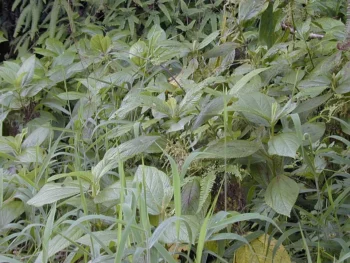
Hawai’i false nettle is a perennial shrub that’s as authentically Hawaiian as it gets—it’s found nowhere else in the world except across the Hawaiian Islands. Don’t let the name fool you; despite being called a false nettle, this plant won’t sting you like its mainland cousins. It’s a gentle, low-growing shrub that typically stays under 1.5 feet tall, though it can occasionally reach up to 3 feet at maturity.
The plant is currently distributed throughout Hawaii, where it naturally grows in forest understory conditions. However, this native treasure is becoming increasingly rare, with a Global Conservation Status of S3 (Vulnerable), meaning it’s at risk of disappearing from its native range.
- Species observed
- No observations
Why Consider Growing Hawai’i False Nettle?
Here’s why this humble shrub deserves a spot in your garden:
- Conservation impact: By growing this vulnerable native species, you’re directly contributing to its preservation
- Authentic Hawaiian landscaping: Perfect for creating genuine native Hawaiian garden spaces
- Low maintenance: Once established, it’s adapted to local conditions and requires minimal care
- Versatile placement: Works well as groundcover, in shade gardens, or naturalized areas
- Ecological value: Supports native Hawaiian ecosystems and potentially native insects
Garden Design and Landscape Use
Hawai’i false nettle shines in several garden settings. It’s particularly valuable in native Hawaiian plant gardens, restoration projects, and naturalistic landscapes where you want to recreate the feel of Hawaii’s original forests. The plant works beautifully as an understory planting beneath taller native trees and shrubs, or as a low-growing element in shade gardens.
Since it’s classified as facultative for wetland status, this adaptable plant can handle both moist and moderately dry conditions, making it suitable for various landscape situations throughout your garden.
Growing Conditions and Care
Success with Hawai’i false nettle comes down to mimicking its natural habitat:
- Light: Partial shade to full shade—it naturally grows under forest canopies
- Soil: Moist, well-draining soil that doesn’t get waterlogged
- Climate: USDA Zones 10-12 only (it needs tropical to subtropical conditions)
- Water: Consistent moisture without soggy conditions
- Protection: Shield from strong winds and harsh direct sunlight
Planting and Establishment Tips
Given this plant’s vulnerable status, it’s crucial to source it responsibly. Only purchase from reputable native plant nurseries that propagate their own stock rather than collecting from wild populations. Here are some key planting tips:
- Plant during Hawaii’s cooler, rainier months for best establishment
- Prepare the soil with organic matter to improve drainage and fertility
- Water regularly during the first growing season to help roots establish
- Mulch around the base to retain moisture and suppress weeds
- Be patient—native plants often take time to settle in and show their best growth
A Word About Rarity
Here’s the important part: Boehmeria grandis is vulnerable to extinction. This means that while we encourage growing it for conservation purposes, you must source your plants responsibly. Never collect from wild populations, and always purchase from nurseries that can verify their plants were ethically propagated. By choosing responsibly sourced plants, you’re helping protect wild populations while still enjoying this rare native in your garden.
The Bottom Line
Hawai’i false nettle may not be the flashiest plant in your garden, but it offers something more valuable than showy blooms—a direct connection to Hawaii’s irreplaceable natural heritage. If you’re gardening in Hawaii’s tropical climate and want to make a real difference for native plant conservation, this little shrub is definitely worth seeking out. Just remember to source it responsibly, and you’ll be contributing to the preservation of one of Hawaii’s unique botanical treasures.