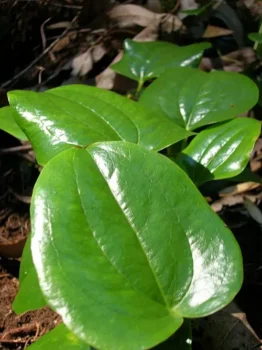
Hawai’i Greenbrier: A Rare Native Vine Worth Protecting in Your Garden
If you’re looking to add authentic Hawaiian character to your tropical garden, the Hawai’i greenbrier (Smilax melastomifolia) might just be the perfect native plant for you. Also known by its Hawaiian name hoi kuahiwi, this charming perennial vine brings a piece of Hawaii’s natural heritage right to your backyard—though you’ll want to source it responsibly due to its vulnerable status in the wild.
What Makes Hawai’i Greenbrier Special?
This delightful native shrub is actually more of a climbing or scrambling vine that can really make a statement in the right setting. As a perennial woody plant, it typically stays under 13-16 feet tall, but don’t let that fool you—it can spread and climb with enthusiasm when given the right support. The heart-shaped leaves give it a distinctly tropical look, and small berries add seasonal interest.
Where Does It Call Home?
Hawai’i greenbrier is endemic to the Hawaiian Islands, meaning you won’t find this beauty growing wild anywhere else in the world. It’s a true Hawaiian native that has adapted specifically to the unique island environment.
- Species observed
- No observations
A Word About Conservation
Here’s something important every gardener should know: Hawai’i greenbrier has a Global Conservation Status of S3, which means it’s considered vulnerable in the wild. With typically only 21 to 100 occurrences and between 3,000 to 10,000 individuals remaining, this plant needs our help. If you’re interested in growing it, please make sure you source it from reputable nurseries that propagate it responsibly rather than collecting from wild populations.
Perfect Spots for Your Hawai’i Greenbrier
This versatile native works beautifully in several garden settings:
- Native Hawaiian plant gardens
- Naturalistic tropical landscapes
- Areas where you need natural screening or privacy
- Slopes that need stabilization
Since it’s classified as Facultative Upland, it usually prefers non-wetland conditions but can tolerate some moisture, making it quite adaptable to different garden situations.
Growing Conditions and Care
The good news is that once established, Hawai’i greenbrier is relatively low-maintenance. Here’s what it needs to thrive:
- Climate: USDA hardiness zones 10-11 (tropical conditions)
- Light: Partial shade works best
- Soil: Well-draining soil with moderate moisture
- Support: May need a trellis or other support structure for climbing
Benefits for Wildlife and Pollinators
While specific wildlife benefits aren’t well-documented, like many native Hawaiian plants, Hawai’i greenbrier likely provides food and habitat for native insects and birds. Its small flowers can attract pollinators, and the berries may serve as food for local wildlife.
The Bottom Line
Hawai’i greenbrier offers gardeners a chance to grow a piece of Hawaiian natural history while supporting conservation efforts. Its attractive foliage, climbing habit, and native status make it a worthy addition to tropical gardens—just remember to source it responsibly. By choosing to grow this vulnerable native species, you’re not just beautifying your landscape; you’re helping preserve Hawaii’s unique botanical heritage for future generations.
When you plant native species like Hawai’i greenbrier, you’re creating habitat, supporting local ecosystems, and connecting your garden to the natural world in a meaningful way. That’s what we call a win-win-win!