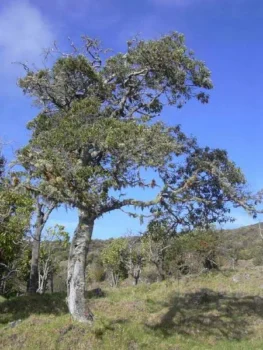
Hawai’i Kauilatree: A Rare Gem Worth Protecting in Your Native Garden
Meet the Hawai’i kauilatree (Alphitonia ponderosa), a stunning native Hawaiian tree that’s as rare as it is beautiful. This endemic species has been quietly gracing the Hawaiian Islands for centuries, but today it needs our help more than ever. If you’re passionate about native gardening and conservation, this remarkable tree deserves a spot on your radar – though with some important caveats we’ll discuss.
What Makes the Hawai’i Kauilatree Special?
This perennial tree is a true Hawaiian native, found nowhere else in the world except across the Hawaiian Islands. The Hawai’i kauilatree typically grows as a single-trunked tree reaching heights of 13-16 feet or more, though environmental conditions can sometimes result in shorter, multi-stemmed growth forms.
The tree produces attractive small white to cream-colored flowers that add subtle beauty to the landscape, while its glossy green leaves provide year-round visual interest. It’s not just a pretty face, though – this species holds deep cultural significance in Hawaiian tradition and plays an important role in native ecosystems.
Geographic Distribution and Conservation Status
The Hawai’i kauilatree grows exclusively in Hawaii, making it a truly special addition to any island garden. However, here’s where things get serious: this species has a Global Conservation Status of S2, meaning it’s considered Imperiled. With typically only 6-20 occurrences remaining and somewhere between 1,000-3,000 individual plants left in the wild, this tree is extremely rare and vulnerable to extinction.
- Species observed
- No observations
Should You Plant a Hawai’i Kauilatree? The Conservation Perspective
The short answer: Yes, but only with responsibly sourced material.
Given its imperiled status, growing Hawai’i kauilatree can actually be an act of conservation – but only when done responsibly. Here’s what that means:
- Never collect seeds or cuttings from wild populations
- Only purchase from reputable native plant nurseries
- Ensure any plant material comes from ethical propagation programs
- Consider participating in conservation efforts and habitat restoration
By growing this species responsibly, you’re helping preserve genetic diversity and potentially contributing to future restoration efforts.
Perfect for Native Hawaiian Gardens
The Hawai’i kauilatree shines in native Hawaiian garden designs and restoration landscapes. Its moderate size makes it suitable for residential properties, while its cultural significance adds depth and meaning to your landscape. Consider it as:
- A specimen tree in native plant gardens
- Part of cultural or educational landscapes
- A component in habitat restoration projects
- An anchor plant in drought-tolerant island gardens
Growing Conditions and Care
Like many Hawaiian natives, the Hawai’i kauilatree prefers well-draining soils and can handle both partial and full sun conditions. It’s adapted to USDA hardiness zones 10-12, making it perfect for tropical and subtropical climates.
Key growing requirements:
- Well-draining soil (essential to prevent root rot)
- Moderate water needs – more when young, drought-tolerant when established
- Full sun to partial shade
- Protection from strong winds when young
Planting and Care Tips
When planting your Hawai’i kauilatree, choose a location with good drainage and adequate space for mature growth. Young trees benefit from regular watering to establish strong root systems, but avoid overwatering. Once established, these trees are relatively low-maintenance and can handle some drought.
Pruning should be minimal – just remove any damaged or dead branches. The tree’s natural form is part of its appeal, so let it grow into its authentic shape.
Supporting Pollinators and Wildlife
The small flowers of the Hawai’i kauilatree attract various pollinators, including native Hawaiian insects. By planting this tree, you’re supporting local ecosystem relationships that have evolved over thousands of years. While specific wildlife benefits aren’t fully documented, native Hawaiian trees typically provide food and habitat for native bird species and beneficial insects.
The Bottom Line
The Hawai’i kauilatree represents both an opportunity and a responsibility. This rare, beautiful native tree can enhance your garden while contributing to conservation efforts – but only when grown from ethically sourced material. If you’re committed to native gardening and conservation, and you can source plants responsibly, this imperiled species deserves consideration for your landscape.
Remember: every responsibly grown Hawai’i kauilatree is a small victory for conservation. By choosing to grow rare native species like this one, you’re not just creating a beautiful garden – you’re helping preserve Hawaii’s irreplaceable natural heritage for future generations.