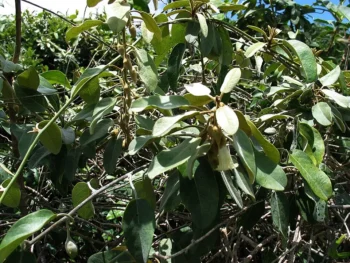
Hawai’i Lady’s Nightcap: A Rare Hawaiian Treasure Worth Protecting
Meet one of Hawaii’s most endangered native vines – the Hawai’i lady’s nightcap (Bonamia menziesii). This delicate climbing beauty might sound like something from a fairy tale, but it’s a very real and critically important part of Hawaii’s native ecosystem that desperately needs our help.
What Makes This Plant Special?
Also simply called bonamia, this perennial vine belongs to the morning glory family and showcases the unique beauty that makes Hawaiian flora so extraordinary. With its heart-shaped leaves and small, funnel-shaped white to pale pink flowers, it creates an enchanting display as it twines and climbs through its native habitat.
Where Does It Call Home?
Hawai’i lady’s nightcap is found exclusively in Hawaii, making it a true endemic treasure. This twining vine naturally grows in rocky coastal areas and dry forests throughout the Hawaiian Islands, where it has adapted to the unique conditions of island life.
- Species observed
- No observations
A Conservation Crisis
Important Conservation Alert: Before we talk about growing this plant, there’s something crucial you need to know. Bonamia menziesii has a Global Conservation Status of S1, meaning it’s critically imperiled. In the United States, it’s classified as Endangered, with typically only 5 or fewer occurrences remaining and very few individuals (fewer than 1,000) left in the wild.
This means that while this plant would make a stunning addition to appropriate gardens, it should only be planted using responsibly sourced material from legitimate conservation programs or certified nurseries working on species recovery.
Garden Role and Design Potential
In the right setting, Hawai’i lady’s nightcap can serve multiple roles:
- Natural ground cover for native Hawaiian landscapes
- Climbing vine for trellises or natural supports
- Erosion control on slopes and rocky areas
- Conservation garden centerpiece for rare plant enthusiasts
This plant is perfectly suited for native Hawaiian gardens, xerophytic (drought-tolerant) landscapes, and coastal gardens where its natural adaptations can shine.
Growing Conditions and Care
If you’re fortunate enough to obtain this rare beauty through proper channels, here’s what it needs to thrive:
Climate Requirements: USDA hardiness zones 10-11 only – this is strictly a tropical/subtropical plant that cannot tolerate freezing temperatures.
Soil and Water: Excellent drainage is absolutely essential. This vine has adapted to rocky, well-draining soils and becomes drought-tolerant once established. Overwatering is more dangerous than underwatering.
Light Requirements: Full sun to partial shade works well, though it tends to flower best with good light exposure.
Support Structure: As a twining vine, it will need something to climb – whether that’s a trellis, fence, or nearby shrubs and trees.
Ecological Benefits
Beyond its beauty, Hawai’i lady’s nightcap plays an important role in supporting native Hawaiian pollinators, particularly native moths and other insects that have co-evolved with Hawaiian flora. By growing this plant (responsibly), you’re supporting the entire ecosystem.
The Bottom Line
Hawai’i lady’s nightcap represents both the incredible beauty and the conservation challenges facing Hawaiian native plants. While it would make a spectacular addition to appropriate gardens, its endangered status means it should only be grown as part of legitimate conservation efforts.
If you’re passionate about Hawaiian native plants and have the right growing conditions (zones 10-11), consider reaching out to local botanical gardens, native plant societies, or conservation organizations to learn about responsible ways to support this species’ recovery. Sometimes the most beautiful plants are the ones we help save for future generations.