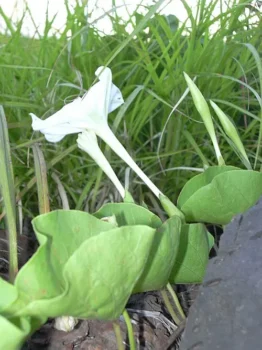
Hawai’i Morning-Glory: A Rare Native Treasure Worth Protecting
If you’re passionate about native Hawaiian plants and conservation gardening, you may have heard whispers about the elusive Hawai’i morning-glory (Ipomoea tuboides van). This isn’t your typical morning-glory that sprawls across garden fences – it’s something far more special and, unfortunately, far more fragile.
What Makes This Plant Special?
The Hawai’i morning-glory is a perennial forb native exclusively to the Hawaiian Islands. Unlike woody shrubs or trees, this herbaceous plant lacks significant woody tissue above ground, with its perennating buds nestled at or below the soil surface. This growth strategy helps it survive Hawaii’s unique climate conditions while maintaining its delicate, non-woody character.
Where Does It Grow?
This rare beauty calls only Hawaii home, making it a true endemic species. You won’t find it growing wild anywhere else on Earth, which makes it both precious and vulnerable.
- Species observed
- No observations
The Conservation Reality Check
Here’s where things get serious, fellow plant lovers. The Hawai’i morning-glory carries a Global Conservation Status of S2, which translates to Imperiled. This means we’re looking at a species with typically only 6 to 20 known occurrences and somewhere between 1,000 to 3,000 individual plants remaining in the wild. That’s not a lot when you think about it – fewer plants than people in a small town.
This rarity status is like a flashing yellow light for gardeners. While growing native plants is generally wonderful for local ecosystems, with rare species like this one, we need to be extra thoughtful.
Should You Grow Hawai’i Morning-Glory?
The short answer is: maybe, but only under the right circumstances. If you’re considering adding this plant to your garden, here’s what you need to know:
- Source responsibly: Never collect plants or seeds from wild populations. Only obtain plants from reputable native plant nurseries that propagate from ethically sourced material
- Understand your role: By growing rare natives, you become part of a conservation effort, helping to maintain genetic diversity outside of wild populations
- Location matters: This plant is specifically adapted to Hawaiian conditions, so it’s really only suitable for gardens within Hawaii
The Growing Challenge
Unfortunately, detailed growing information for this specific rare native is limited, which is common with imperiled species. The lack of readily available cultivation details means growing Hawai’i morning-glory requires patience, experimentation, and ideally, guidance from local native plant experts or Hawaiian botanical gardens.
As a perennial herb, it will return year after year once established, but getting to that point may require some trial and error. Consider reaching out to local Hawaiian native plant societies or botanical gardens for species-specific growing advice.
Supporting Conservation
Even if you decide not to grow this rare morning-glory in your garden, you can still support its conservation:
- Donate to Hawaiian native plant conservation organizations
- Choose other native Hawaiian plants that are less vulnerable
- Spread awareness about the importance of protecting endemic species
- Support habitat preservation efforts in Hawaii
The Bottom Line
The Hawai’i morning-glory represents both the beauty and fragility of Hawaii’s unique plant heritage. While it’s not a plant for every gardener, those committed to conservation and equipped with the right resources might consider it a meaningful addition to their native plant collection. Just remember – with great rarity comes great responsibility.
If you’re new to native Hawaiian gardening, consider starting with more common native species first. There are plenty of beautiful, less vulnerable Hawaiian natives that can provide similar ecological benefits while you develop your skills as a native plant gardener.