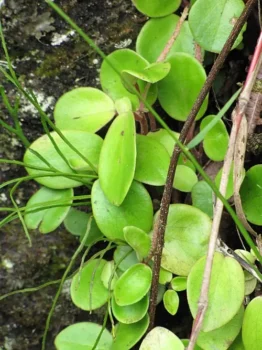
Hawai’i Peperomia: A Rare Native Gem Worth Protecting
If you’re passionate about native Hawaiian plants and conservation gardening, you may have heard whispers about the elusive Hawai’i peperomia (Peperomia latifolia). This little-known native plant is a true treasure of the Hawaiian Islands, though one that comes with some important considerations for responsible gardeners.
What Makes Hawai’i Peperomia Special?
The Hawai’i peperomia is an annual forb—essentially a soft-stemmed plant without woody tissue that completes its life cycle in one growing season. As a member of the pepper family, it shares some characteristics with its more common houseplant cousins, but this species is uniquely Hawaiian through and through.
You might occasionally see this plant listed under its botanical synonym, Peperomia waihoiana, but Peperomia latifolia is the accepted scientific name today.
Where Does It Call Home?
This endemic species is found exclusively in Hawaii, making it a true island original. Its natural habitat reflects its specialized needs—the plant typically grows in upland areas rather than wetlands, though it can occasionally tolerate wetter conditions.
- Species observed
- No observations
A Plant That Needs Our Help
Here’s where things get serious: Hawai’i peperomia carries a Global Conservation Status of S3, meaning it’s considered vulnerable. With only an estimated 21 to 100 occurrences and between 3,000 to 10,000 individuals remaining in the wild, this species faces real threats to its survival.
What does this mean for gardeners? If you’re considering growing this plant, you absolutely must ensure any specimens come from responsibly sourced, legally obtained material—never from wild collection.
Growing Hawai’i Peperomia: What We Know
Given its rarity, detailed cultivation information is limited, but we can make educated guesses based on its natural habitat and family characteristics:
- Likely thrives in USDA zones 10-12 (tropical conditions)
- Prefers upland conditions with good drainage
- May need protection from intense direct sunlight
- Requires warm, humid conditions year-round
- As an annual, it completes its growth cycle within one year
Is This Plant Right for Your Garden?
Honestly? Unless you’re involved in official conservation efforts or have access to responsibly propagated material, Hawai’i peperomia probably isn’t the right choice for most gardeners. Its vulnerable status means we should prioritize its survival in nature over our desire to grow it in our gardens.
If you’re drawn to native Hawaiian plants, consider focusing on more common native species that can be sustainably cultivated. Many other endemic Hawaiian plants need homes in conservation-minded gardens and don’t carry the same risk of exploitation.
Supporting Conservation
The best way to help Hawai’i peperomia thrive is to support Hawaiian native plant conservation organizations and habitat restoration efforts. These groups work tirelessly to protect rare species like this one and often need volunteers and funding.
By choosing to grow more common native Hawaiian plants in your garden, you’re still contributing to conservation by creating habitat and raising awareness about the importance of endemic species.
The Bottom Line
Hawai’i peperomia represents both the incredible diversity of Hawaiian flora and the fragility of island ecosystems. While it’s natural to want to grow rare and special plants, sometimes the most loving thing we can do is admire them from afar and focus our gardening energy on species that can handle a bit more attention.
Remember: responsible gardening means thinking beyond our own desires to consider the bigger picture of conservation and sustainability. In the case of Hawai’i peperomia, that means letting the experts handle its care while we support their efforts however we can.