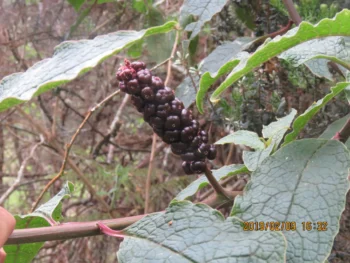
Hawai’i Pokeweed: A Rare Native Hawaiian Treasure Worth Protecting
If you’re passionate about native Hawaiian plants, you’ve probably wondered about some of the lesser-known species that call these islands home. Meet Hawai’i pokeweed (Phytolacca sandwicensis), a unique endemic plant that deserves our attention—not just for its botanical interest, but for its conservation story.
What Makes Hawai’i Pokeweed Special?
Hawai’i pokeweed is a perennial forb that belongs exclusively to the Hawaiian Islands. Unlike its more common mainland cousins, this species has evolved specifically in Hawaii’s unique environment over thousands of years. As a forb, it’s an herbaceous plant without woody stems—think of it as nature’s version of a sturdy wildflower that comes back year after year.
This plant has had a bit of an identity crisis over the years, with botanists giving it various names including Phytolacca brachystachys and Phytolacca sandwicensis var. puberulenta. But regardless of what scientists have called it, it remains a distinctly Hawaiian species.
Where You’ll Find It Growing Wild
Hawai’i pokeweed is found naturally only in Hawaii, making it what botanists call an endemic species. This means it exists nowhere else on Earth naturally—a pretty amazing thought when you consider how vast our planet is!
- Species observed
- No observations
In its natural habitat, Hawai’i pokeweed tends to prefer upland areas rather than wetlands, though it can occasionally pop up in wetter spots. This facultative upland status means it’s happiest on drier ground but flexible enough to adapt to various moisture conditions.
The Conservation Reality Check
Here’s where things get serious: Hawai’i pokeweed has a Global Conservation Status of S2?, which suggests it may be at risk. While the exact status is somewhat undefined, this classification typically indicates a species that deserves careful attention and protection.
What does this mean for gardeners? If you’re considering growing Hawai’i pokeweed, you’ll want to be extra thoughtful about your plant sources. This isn’t a plant you should collect from the wild—doing so could harm already vulnerable populations. Instead, look for responsibly sourced seeds or plants from reputable native plant nurseries or conservation organizations.
Growing Hawai’i Pokeweed: Proceed with Care
If you’re lucky enough to obtain Hawai’i pokeweed through proper channels, you’ll be growing a piece of Hawaiian natural heritage. As a perennial, it will return year after year once established, making it a worthwhile investment in your native garden.
Based on its natural preferences, here’s what this plant likely needs to thrive:
- Well-draining soil (remember, it prefers upland conditions)
- Hawaiian climate conditions (USDA zones 10-12)
- Respect for its natural growth patterns as an herbaceous perennial
- Patience—rare plants often grow more slowly than common garden varieties
Why Choose Native Hawaiian Plants?
Growing native Hawaiian plants like Hawai’i pokeweed isn’t just about having an unusual plant in your garden. You’re participating in conservation, supporting local ecosystems, and preserving genetic diversity that took millennia to develop. Native plants also tend to be better adapted to local conditions, potentially requiring less water and maintenance once established.
The Bottom Line
Hawai’i pokeweed represents both an opportunity and a responsibility. If you can source it ethically, growing this rare native can be incredibly rewarding and contributes to conservation efforts. However, its potentially vulnerable status means this isn’t a plant for casual collection or impulse growing.
Before adding Hawai’i pokeweed to your garden, connect with local native plant societies, botanical gardens, or conservation organizations. They can guide you toward responsible sources and may even have seed-sharing or conservation growing programs you can join.
Sometimes the most beautiful way to appreciate a rare plant is to know it exists, understand its importance, and support the people working to protect it for future generations.