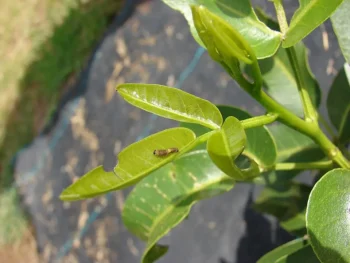
Hawai’i Pricklyash: A Rare Native Gem Worth Protecting
If you’re passionate about native Hawaiian plants, you may have heard whispers about the elusive Hawai’i pricklyash (Zanthoxylum hawaiiense). This remarkable shrub, also known as a’e in Hawaiian, represents one of the islands’ most precious botanical treasures—and unfortunately, one of its most endangered.
What Makes Hawai’i Pricklyash Special?
Native exclusively to the Hawaiian Islands, this perennial shrub is a true island endemic. You’ll typically find it growing as a multi-stemmed woody plant, usually staying under 13-16 feet tall, though it can sometimes surprise you by growing taller or developing a single stem depending on its environment.
The Hawai’i pricklyash belongs to the citrus family, and like its relatives, it offers aromatic foliage that releases a pleasant scent when crushed. Its compound leaves and small yellowish flowers may seem modest, but they represent millions of years of evolution in isolation.
Where Does It Grow?
This special shrub calls only Hawaii home, naturally occurring on several of the Hawaiian Islands. It thrives in dry to mesic (moderately moist) forests, typically in volcanic soils that drain well.
- Species observed
- No observations
A Critical Conservation Concern
Here’s where things get serious: Hawai’i pricklyash is critically endangered. With a Global Conservation Status of S1 and listed as Endangered in the United States, this plant is hanging on by a thread. Typically, there are only 5 or fewer occurrences in the wild, with fewer than 1,000 individuals remaining.
This rarity status means that if you’re considering adding this plant to your garden, you need to be extremely thoughtful about your approach.
Should You Plant Hawai’i Pricklyash?
The short answer is: maybe, but only under very specific circumstances. If you’re passionate about conservation and have access to responsibly sourced material—meaning plants propagated from legal collections, not wild-harvested specimens—then growing this species can contribute to its survival.
However, never attempt to collect seeds or cuttings from wild populations. This could further harm already vulnerable populations and is likely illegal.
Growing Conditions and Care
If you do obtain responsibly sourced Hawai’i pricklyash, here’s what it needs to thrive:
- Climate: USDA Hardiness Zones 10-11 (tropical conditions)
- Soil: Well-draining volcanic or similar soils
- Water: Moderate moisture—not too dry, not too wet
- Light: Partial shade to full sun
- Protection: Shield from strong winds that could damage branches
Garden Design and Landscape Role
In the right setting, Hawai’i pricklyash serves as an excellent specimen plant for native Hawaiian gardens or botanical collections. Its modest size makes it suitable for smaller spaces, and its aromatic qualities add a sensory element to garden designs.
This shrub works particularly well in:
- Native Hawaiian plant collections
- Conservation-focused gardens
- Educational botanical displays
- Drought-tolerant landscape designs
Wildlife and Pollinator Benefits
The small flowers of Hawai’i pricklyash attract native Hawaiian insects, making it valuable for supporting local ecosystems. While specific wildlife benefits aren’t fully documented, native plants generally provide crucial habitat and food sources for indigenous species.
The Bottom Line
Hawai’i pricklyash represents both an opportunity and a responsibility. If you’re committed to conservation and can source plants responsibly, growing this species helps preserve a piece of Hawaiian natural heritage. However, casual gardeners might consider supporting conservation efforts in other ways while choosing more common native Hawaiian plants for their landscapes.
Remember: every plant matters when there are so few left. If you decide to grow Hawai’i pricklyash, you’re becoming a guardian of one of Hawaii’s rarest botanical treasures.