Hawai’i Red Cranesbill: A Rare Native Treasure Worth Protecting
Meet the Hawai’i red cranesbill (Geranium arboreum), one of the Hawaiian Islands’ most precious and endangered native plants. This remarkable little shrub represents both the incredible diversity of Hawaiian flora and the urgent need for plant conservation efforts.
What Makes This Plant Special
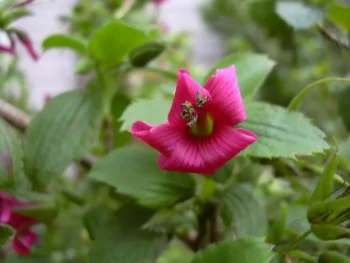
The Hawai’i red cranesbill is a perennial shrub that typically grows as a multi-stemmed woody plant, usually staying under 13-16 feet in height. What sets it apart from other geraniums you might know is its unique shrubby growth habit and its stunning pink to red flowers that bloom against deeply lobed, palmate leaves. This isn’t your grandmother’s garden geranium – it’s a true Hawaiian endemic with a story to tell.
A Plant in Crisis
Important Conservation Alert: Before we dive into growing tips, it’s crucial to understand that Geranium arboreum is critically endangered. With a Global Conservation Status of S1 (Critically Imperiled) and listed as Endangered in the United States, this species typically has only 5 or fewer occurrences and fewer than 1,000 remaining individuals in the wild.
If you’re considering growing this plant, please only source material from reputable native plant nurseries or conservation organizations that propagate from existing cultivated stock. Never collect from wild populations.
Where It Calls Home
This beautiful cranesbill is found exclusively in Hawaii, where it grows naturally on volcanic slopes and forest edges. As a true endemic, it has evolved specifically for Hawaiian conditions and plays an important role in the islands’ unique ecosystem.
- Species observed
- No observations
Garden Role and Landscape Use
In the right hands, the Hawai’i red cranesbill serves as an extraordinary specimen plant for:
- Native Hawaiian gardens focused on conservation
- Specialized collections of rare plants
- Educational gardens that showcase Hawaiian biodiversity
- Restoration projects (with proper permits and guidance)
This isn’t a plant for casual gardening – it’s for dedicated conservationists and native plant enthusiasts who understand its significance and rarity.
Growing Conditions and Care
If you have legitimate access to responsibly sourced Hawai’i red cranesbill, here’s what it needs to thrive:
Climate Requirements: This tropical beauty is suited for USDA hardiness zones 10-11, making it appropriate only for Hawaii and similar tropical/subtropical climates.
Soil and Drainage: Like many Hawaiian natives, it prefers well-draining volcanic soils. If you’re growing it outside its native range, ensure excellent drainage to prevent root rot.
Light and Water: Provide partial shade to full sun conditions with moderate, consistent moisture. Avoid overwatering, but don’t let it completely dry out.
Protection: Shield from strong winds, which can damage its delicate branches and flowers.
Supporting Pollinators and Wildlife
The small but charming flowers of the Hawai’i red cranesbill attract native Hawaiian insects and some introduced pollinators. By growing this plant (responsibly), you’re not just adding beauty to your garden – you’re supporting the entire web of Hawaiian native life.
The Bottom Line
The Hawai’i red cranesbill represents both hope and responsibility in the gardening world. While its beauty and unique characteristics make it highly desirable, its critically endangered status means that growing it comes with serious conservation obligations.
If you’re passionate about Hawaiian native plants and have access to legitimate, propagated material, this could be a meaningful addition to your conservation garden. However, most gardeners should consider supporting this species through donations to Hawaiian plant conservation organizations rather than attempting to grow it themselves.
Remember: every plant matters when there are fewer than 1,000 left in the world. Let’s work together to ensure future generations can appreciate the Hawai’i red cranesbill in all its rare, beautiful glory.