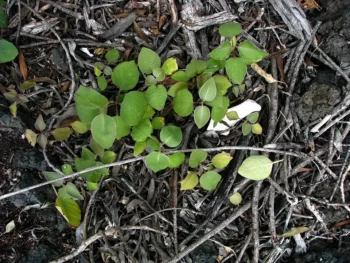
Hawai’i Rockwort: A Rare Native Gem for Hawaiian Gardens
Meet Hawai’i rockwort (Nototrichium sandwicense), also known as kulu`i in Hawaiian – a charming native shrub that’s as resilient as it is beautiful. This woolly-leafed wonder is a true island endemic, meaning it exists nowhere else on Earth except in the Hawaiian Islands. If you’re passionate about native Hawaiian plants and conservation gardening, this special shrub deserves a spot on your radar.
What Makes Hawai’i Rockwort Special?
This perennial shrub brings a unique silvery-green texture to the garden with its distinctive woolly foliage. The small white to pinkish flowers cluster together in dense arrangements, creating subtle but lovely displays throughout the growing season. As a multi-stemmed woody plant, it typically stays manageable in size, usually growing less than 13-16 feet tall, though most garden specimens remain much smaller.
Where Does It Grow?
Hawai’i rockwort is found exclusively across the Hawaiian Islands, making it a true treasure of Hawaiian biodiversity. This endemic species has adapted perfectly to island conditions over thousands of years.
- Species observed
- No observations
Important Conservation Note
Here’s something crucial to know: Hawai’i rockwort is considered vulnerable, with a Global Conservation Status of S3. This means it’s at risk due to its limited range and relatively few populations. While this might sound concerning, it actually makes growing this plant even more meaningful – you’ll be participating in conservation efforts right in your own backyard!
If you choose to grow Hawai’i rockwort, please only purchase from reputable nurseries that propagate plants responsibly rather than collecting from wild populations. This helps protect remaining wild stands while still allowing you to enjoy this remarkable native species.
Perfect Garden Roles
Hawai’i rockwort shines in several garden settings:
- Rock gardens: Its drought tolerance and compact growth habit make it ideal for rocky, well-draining spots
- Native Hawaiian landscapes: Essential for authentic island gardens that celebrate local flora
- Xeriscaping: Once established, it requires minimal supplemental watering
- Coastal gardens: Naturally adapted to island conditions including salt air
Growing Conditions and Care
The good news is that Hawai’i rockwort is relatively low-maintenance once you understand its preferences:
- Sunlight: Full sun to partial shade
- Soil: Well-draining soils are essential – this plant doesn’t tolerate soggy conditions
- Water: Drought tolerant once established, but avoid overwatering which can lead to root problems
- Climate: Thrives in USDA zones 10-12, perfect for Hawaiian and similar tropical/subtropical climates
Planting and Care Tips
Getting your Hawai’i rockwort established is straightforward with these guidelines:
- Plant in well-draining soil – amend heavy clay soils with sand or gravel if needed
- Water regularly during the first few months until roots establish, then reduce frequency
- Light pruning helps maintain shape and encourages bushier growth
- Mulch around the base to retain moisture and suppress weeds, but keep mulch away from the stem
Wildlife and Pollinator Benefits
As a native Hawaiian plant, Hawai’i rockwort has co-evolved with local ecosystems and supports native insects and other small wildlife. The flowers attract various pollinators, contributing to the health of your garden’s ecosystem while supporting Hawaiian biodiversity.
Is Hawai’i Rockwort Right for Your Garden?
If you’re gardening in Hawaii or similar tropical climates and want to grow plants that truly belong to the landscape, Hawai’i rockwort is an excellent choice. Its low water needs, attractive appearance, and conservation value make it a win-win for environmentally conscious gardeners.
Just remember the golden rule: always source your plants responsibly from nurseries that propagate rather than wild-collect. By choosing Hawai’i rockwort, you’re not just adding a beautiful native to your garden – you’re helping preserve a piece of Hawaiian natural heritage for future generations.