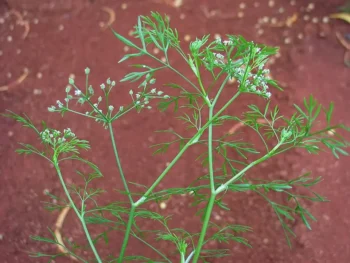
Hawai’i Scaleseed: A Rare Hawaiian Native Worth Protecting
If you’re drawn to unique Hawaiian native plants, you might have come across the intriguingly named Hawai’i scaleseed (Spermolepis hawaiiensis). But before you start planning where to plant this endemic beauty, there’s something important you need to know about this remarkable little forb.
What Makes Hawai’i Scaleseed Special
Hawai’i scaleseed is a true Hawaiian original – an annual forb that calls only the Hawaiian Islands home. As a forb, it’s essentially an herbaceous plant without woody stems, belonging to that diverse group of flowering plants that add texture and interest to natural landscapes. What makes this particular species truly special, however, is just how rare it has become.
A Plant on the Edge: Understanding Its Rarity
Here’s where things get serious, fellow gardeners. Hawai’i scaleseed carries an endangered status and has a Global Conservation Status of S2, which translates to Imperiled. This means there are typically only 6 to 20 occurrences left in the wild, with somewhere between 1,000 to 3,000 individual plants remaining. That’s incredibly rare – we’re talking about a plant that’s hanging on by a thread in its native habitat.
Where Does It Naturally Grow?
As its name suggests, this endemic species is found exclusively in Hawaii. Its distribution is limited to the Hawaiian Islands, where it has evolved over thousands of years to thrive in specific local conditions.
- Species observed
- No observations
Should You Plant Hawai’i Scaleseed in Your Garden?
This is where I need to pump the brakes on any planting enthusiasm. Given its endangered status, I strongly recommend against attempting to grow Hawai’i scaleseed in your garden unless you can absolutely guarantee that any plant material comes from responsible, conservation-approved sources. Here’s why:
- Wild collection could further threaten the remaining populations
- The plant’s specific growing requirements are not well documented
- Conservation efforts should take priority over garden cultivation
- There may be legal restrictions on collecting or propagating endangered species
How You Can Help Instead
Rather than trying to grow this rare beauty, consider these alternatives that support Hawaiian native plant conservation:
- Support local Hawaiian native plant societies and botanical gardens
- Choose other Hawaiian native plants that are not endangered for your garden
- Donate to organizations working on Hawaiian plant conservation
- Spread awareness about the importance of protecting endemic species
Growing Conditions (For Conservation Reference)
While specific growing requirements for Hawai’i scaleseed aren’t well documented due to its rarity, as a Hawaiian endemic, it would naturally thrive in USDA hardiness zones 10-12, typical of Hawaii’s tropical climate. However, this information is primarily useful for conservation efforts rather than home gardening.
The Bottom Line
Hawai’i scaleseed represents something precious and irreplaceable – a plant that has evolved nowhere else on Earth and is now critically at risk. As gardeners who love native plants, our role isn’t just to grow beautiful gardens, but to be stewards of biodiversity. Sometimes that means admiring from afar and supporting conservation efforts rather than adding a plant to our wish list.
If you’re passionate about Hawaiian native plants, there are many other wonderful species that aren’t endangered and can be responsibly cultivated. Let’s save the rare ones like Hawai’i scaleseed by protecting their wild populations and supporting the scientists and conservationists working to ensure they don’t disappear forever.