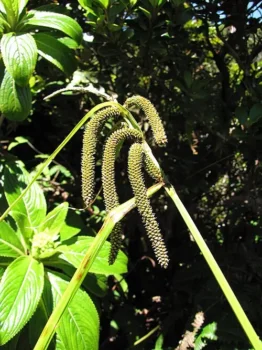
Hawai’i Sedge: A Rare Native Treasure for Wet Gardens
If you’re passionate about native Hawaiian plants and have a spot that stays consistently moist, let me introduce you to a special little sedge that deserves more attention. Hawai’i sedge (Carex alligata) might not be the flashiest plant in your garden, but this unassuming native has a quiet charm that makes it perfect for naturalistic landscapes and rain gardens.
What Makes Hawai’i Sedge Special?
This perennial sedge is what we call a grass-like plant, though it’s actually in the sedge family rather than being a true grass. Don’t worry about remembering the difference – just know that it has that lovely, fine-textured appearance that adds movement and softness to garden beds. You might also see it listed under some synonyms like Carex pluvia, but Carex alligata is the name that stuck.
Where Does It Come From?
Here’s what makes this sedge truly special – it’s endemic to Hawaii, meaning you won’t find it growing wild anywhere else in the world. This native beauty calls the Hawaiian Islands home, where it thrives in wet forests and boggy areas throughout the state.
- Species observed
- No observations
A Word About Rarity
Before we dive into growing tips, there’s something important you should know: Hawai’i sedge is considered vulnerable, with a conservation status of S3. This means it’s relatively rare and could face threats in the wild. If you’re thinking about adding this plant to your garden (and I hope you are!), please make sure you source it from reputable native plant nurseries that propagate their own stock rather than collecting from wild populations.
Why Grow Hawai’i Sedge?
So why would you want this modest little sedge in your garden? Here are a few compelling reasons:
- Native heritage: Supporting endemic Hawaiian plants helps preserve the islands’ unique botanical legacy
- Low maintenance: Once established, it’s pretty much a plant it and forget it kind of perennial
- Wet area solution: Perfect for those problem spots where water tends to collect
- Natural look: Creates authentic Hawaiian landscape aesthetics
Growing Conditions
Hawai’i sedge has some specific preferences, but they’re not too demanding once you understand what it wants. This sedge is classified as a facultative wetland plant, which is a fancy way of saying it usually likes wet feet but can tolerate drier conditions occasionally.
You’ll want to provide:
- Consistent moisture: Keep the soil moist to wet – think bog garden conditions
- Partial shade to full sun: It’s fairly adaptable to light conditions
- USDA zones 10-11: This is strictly a tropical/subtropical plant
Perfect Garden Spots
This sedge shines in:
- Rain gardens and bioswales
- Bog gardens or water features
- Native Hawaiian landscape restorations
- Naturalistic plantings in consistently moist areas
Planting and Care Tips
The good news is that Hawai’i sedge isn’t particularly fussy once you get it established. Plant it in spring when temperatures are warming up, and make sure you can provide consistent water during its first growing season. After that, it should settle in nicely with minimal intervention.
Since sedges are wind-pollinated rather than relying on insects, don’t expect it to be a major pollinator magnet. However, it can provide habitat and nesting material for native birds and other wildlife.
The Bottom Line
Hawai’i sedge might not be the showstopper of your garden, but it’s exactly the kind of plant that makes native gardening so rewarding. You’re not just adding a pretty plant to your landscape – you’re helping preserve a piece of Hawaii’s natural heritage. Just remember to source it responsibly, and you’ll have a beautiful, low-maintenance addition that connects your garden to the authentic spirit of the islands.
If you have a wet spot in your garden and you’re in the right climate zone, give this humble sedge a try. Sometimes the most unassuming plants turn out to be the most valuable.