Hawai’i Treecotton: A Rare Hawaiian Beauty Worth Preserving
If you’re lucky enough to garden in tropical paradise and have a passion for conservation, let me introduce you to one of Hawaii’s most spectacular—and most endangered—native shrubs. Hawai’i treecotton (Kokia drynarioides) is a stunning plant that deserves a spot in every native Hawaiian garden, but there’s an important catch we need to talk about first.
What Makes Hawai’i Treecotton Special?
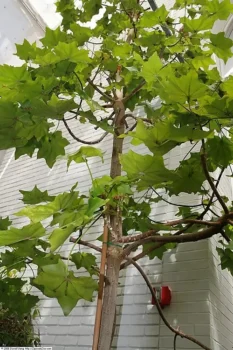
This perennial shrub is pure eye candy when it blooms. Picture this: vibrant red-orange flowers that look like they belong in a tropical postcard, complemented by distinctive heart-shaped leaves that flutter gracefully in the island breeze. Hawai’i treecotton typically grows as a multi-stemmed woody shrub, usually staying under 13-16 feet tall, making it perfect for medium-sized garden spaces.
But here’s what makes this plant truly remarkable—it’s exclusively native to Hawaii’s Big Island, found naturally in the dry forests on leeward slopes. You won’t find this beauty growing wild anywhere else on Earth.
Geographic Distribution
Kokia drynarioides calls only Hawaii home, specifically the Big Island’s unique dry forest ecosystems. This limited range makes it incredibly special but also incredibly vulnerable.
- Species observed
- No observations
The Conservation Reality Check
Now for the serious talk. Hawai’i treecotton is critically imperiled with a global conservation status of S1, and it’s listed as endangered in the United States. We’re talking about a plant with typically five or fewer occurrences in the wild and fewer than 1,000 individual plants remaining. This isn’t just rare—it’s teetering on the edge of extinction.
What this means for gardeners: If you want to grow Hawai’i treecotton (and I hope you do!), you absolutely must source it responsibly. Only purchase from reputable native plant nurseries that propagate from legally collected seeds or cuttings, never from wild populations.
Garden Role and Landscape Design
When grown responsibly, Hawai’i treecotton makes an exceptional specimen plant. It’s perfect for:
- Native Hawaiian landscape designs
- Dry gardens and xeriscaping projects
- Conservation gardens focused on preserving rare species
- Educational landscapes that showcase Hawaii’s unique flora
The shrub’s moderate size and striking flowers make it ideal as a focal point or grouped with other native Hawaiian plants for a cohesive island aesthetic.
Growing Conditions and Care
The good news? Hawai’i treecotton isn’t particularly fussy once you understand its needs. This plant evolved in Hawaii’s dry forests, so it’s naturally adapted to:
- Climate: USDA hardiness zones 10-12 (tropical and subtropical climates only)
- Sun exposure: Full sun to partial shade
- Soil: Well-draining soil is absolutely critical—this plant hates wet feet
- Water: Low water requirements once established; drought-tolerant
- Wind protection: Shield from strong winds when possible
Planting and Care Tips
Success with Hawai’i treecotton comes down to mimicking its natural habitat:
- Plant in well-draining, slightly rocky or sandy soil
- Water regularly during establishment, then reduce to minimal supplemental watering
- Avoid overwatering—this is the quickest way to lose your plant
- Mulch lightly to retain moisture without creating soggy conditions
- Prune lightly if needed, but this shrub generally maintains good form naturally
Wildlife and Pollinator Benefits
Here’s where Hawai’i treecotton really shines for the ecosystem. Those gorgeous red-orange flowers aren’t just pretty—they’re magnets for native Hawaiian birds, particularly the endangered Hawaiian honeycreepers. Native insects also benefit from the nectar and pollen. By growing this plant, you’re creating habitat for other rare and endangered species too.
Should You Grow Hawai’i Treecotton?
If you garden in Hawaii (zones 10-12) and can source plants responsibly, absolutely yes! Growing Hawai’i treecotton is more than gardening—it’s conservation in action. Every plant grown in cultivation helps preserve genetic diversity and reduces pressure on wild populations.
However, this isn’t a plant for casual gardeners or those outside tropical climates. It requires commitment to responsible sourcing and appropriate growing conditions.
By choosing to grow this rare Hawaiian beauty, you’re joining a critical conservation effort while adding an absolutely stunning and unique plant to your landscape. Just remember: with great beauty comes great responsibility.