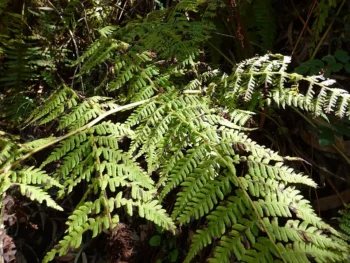
Hawai’i Twinsorus Fern: A Magnificent Native for Tropical Gardens
If you’re lucky enough to garden in a tropical paradise, the Hawai’i twinsorus fern (Diplazium sandwichianum) might just become your new favorite shade-loving companion. Also known by its beautiful Hawaiian name ho`i`o, this stunning native fern brings an authentic island touch to any garden that can provide the right growing conditions.
A True Hawaiian Native
The Hawai’i twinsorus fern is a genuine island endemic, meaning it naturally occurs nowhere else on Earth except the Hawaiian Islands. This perennial beauty has been gracing Hawaiian forests for countless generations, making it a perfect choice for gardeners who want to celebrate and support native plant communities.
- Species observed
- No observations
What Makes This Fern Special
Unlike many common garden ferns, the Hawai’i twinsorus fern offers something truly unique with its large, gracefully arching fronds that create an impressive tropical display. The deeply divided leaves give it a lush, layered appearance that adds instant drama to shaded garden areas. As a facultative wetland plant, it’s quite adaptable to both moist and moderately dry conditions, though it definitely prefers to keep its feet damp.
Perfect Garden Roles
This versatile fern shines in several garden settings:
- Understory accent: Plant beneath taller trees or shrubs for a natural forest floor look
- Shade garden specimen: Use as a focal point in areas where other plants struggle
- Tropical landscaping: Combine with other native Hawaiian plants for an authentic island garden
- Woodland gardens: Perfect for creating that mysterious, enchanted forest vibe
Growing Conditions and Care
The Hawai’i twinsorus fern is fairly straightforward to grow if you can meet its basic needs:
Climate Requirements: This tropical native thrives in USDA zones 10-12 only. If you live anywhere that experiences freezing temperatures, this beauty isn’t for you – but don’t despair, there are plenty of cold-hardy native ferns for cooler climates!
Light and Location: Think dappled forest floor when choosing a spot. Partial to full shade works best, with protection from harsh afternoon sun being absolutely crucial.
Soil and Water: Rich, organic soil that drains well but stays consistently moist is the sweet spot. High humidity levels will make your fern absolutely sing with happiness.
A Word About Conservation
Here’s something important to know: the Hawai’i twinsorus fern has a vulnerable conservation status, meaning wild populations are at risk. If you’re planning to add this beauty to your garden, please make sure you’re purchasing from reputable nurseries that propagate their plants responsibly rather than collecting from wild populations. By growing this fern in your garden, you’re actually helping to preserve the species – just make sure you’re doing it the right way!
Wildlife Considerations
While ferns don’t produce the nectar-rich flowers that attract pollinators, they still play important ecological roles in their native habitats. The Hawai’i twinsorus fern provides shelter and habitat structure for various small creatures and contributes to the overall biodiversity of native Hawaiian ecosystems.
Is This Fern Right for You?
The Hawai’i twinsorus fern is perfect for gardeners who:
- Live in tropical or subtropical climates (zones 10-12)
- Have shaded garden areas that need a striking focal point
- Want to support native Hawaiian plant conservation
- Enjoy the lush, tropical aesthetic in their landscaping
- Can provide consistent moisture and humidity
However, this might not be the right choice if you live in cooler climates, have only sunny garden spaces, or prefer low-maintenance, drought-tolerant plants.
When grown in the right conditions with responsibly sourced plants, the Hawai’i twinsorus fern offers gardeners a chance to cultivate a piece of authentic Hawaiian natural heritage while creating a stunning tropical garden display. Just remember – this island beauty has specific needs, but when those needs are met, it rewards you with unmatched tropical elegance.