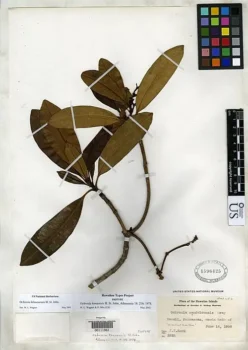
Hawai’i Yellowwood: A Rare Treasure Worth Protecting
Meet the Hawai’i yellowwood (Ochrosia kilaueaensis), one of the rarest native trees in the Hawaiian Islands. This exceptional species represents both the beauty and fragility of Hawaii’s unique ecosystem, making it a plant that deserves our attention and protection.
A Tree on the Edge of Time
The Hawai’i yellowwood holds a sobering conservation status that every gardener should understand. With a Global Conservation Status of SH (Possibly Extirpated) and listed as Endangered in the United States, this tree is known only from historical occurrences. While there’s still hope for rediscovery, finding this species in the wild today would be like stumbling upon a living piece of history.
Where This Rare Beauty Calls Home
This endemic Hawaiian species is found exclusively in Hawaii, making it a true island treasure. The Hawai’i yellowwood has historically grown on the Big Island, where it once graced the volcanic landscapes with its presence.
- Species observed
- No observations
What Makes Hawai’i Yellowwood Special
Despite its rarity, the Hawai’i yellowwood (also known by its synonym Ochrosia konaensis) is a stunning perennial tree that can reach impressive heights of 13-16 feet or more. As a single-stemmed woody plant, it develops the classic tree form that makes it perfect for:
- Native Hawaiian restoration gardens
- Conservation landscapes
- Educational botanical displays
- Specimen tree plantings
The tree produces glossy, dark green leaves that create an attractive canopy, while its small white flowers eventually give way to colorful red fruits that add visual interest throughout the seasons.
Growing Conditions and Care
If you’re fortunate enough to source this rare species responsibly, Hawai’i yellowwood thrives in USDA hardiness zones 10-11, making it suitable only for tropical and subtropical climates. The tree prefers:
- Well-draining volcanic soils (mimicking its natural habitat)
- Partial shade to full sun exposure
- Consistent moisture without waterlogging
- Protection from strong winds
The Conservation Challenge
Here’s the important part: if you’re interested in growing Hawai’i yellowwood, you must ensure any plant material comes from responsible, conservation-focused sources. Given its endangered status, wild collection is absolutely prohibited and could contribute to the species’ extinction.
Work only with:
- Licensed botanical gardens with conservation programs
- Certified native plant nurseries
- Hawaiian conservation organizations
- Educational institutions with propagation permits
Supporting Pollinator and Wildlife Communities
While specific wildlife benefits aren’t well-documented due to the species’ rarity, native Hawaiian trees like the Hawai’i yellowwood traditionally support native insects and birds. By growing this species (when responsibly sourced), you’re contributing to the preservation of an entire ecosystem’s genetic diversity.
The Bottom Line
The Hawai’i yellowwood represents more than just a beautiful tree—it’s a conservation priority and a living link to Hawaii’s botanical heritage. While most gardeners won’t have the opportunity to grow this rare species, supporting conservation efforts and choosing other native Hawaiian plants can help protect the ecosystems where species like this once thrived.
If you’re passionate about Hawaiian native plants, consider exploring more readily available native alternatives while supporting organizations working to rediscover and protect rare species like the Hawai’i yellowwood. Every native plant we grow helps preserve the unique character of Hawaiian landscapes for future generations.