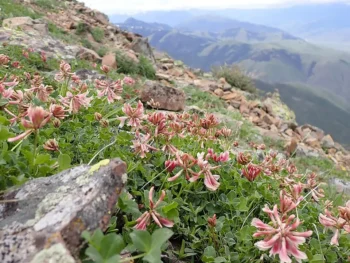
Hayden’s Clover: A Hidden Gem for Northwestern Native Gardens
If you’re looking to add authentic regional character to your northwestern garden, Hayden’s clover (Trifolium haydenii) might just be the understated beauty you’ve been searching for. This native perennial clover brings both ecological value and quiet charm to landscapes across the northern Rockies.
What Makes Hayden’s Clover Special?
Hayden’s clover is a true regional native, naturally occurring only in Idaho, Montana, and Wyoming. As a perennial forb—that’s garden-speak for a non-woody flowering plant—it forms part of the herbaceous layer that makes mountain meadows and grasslands so vibrant. Unlike its more common agricultural cousins, this clover has evolved specifically for the challenging conditions of the northwestern United States.
The plant grows naturally across these three northwestern states, thriving in the unique conditions found in montane and subalpine regions.
- Species observed
- No observations
Garden Appeal and Landscape Role
While Hayden’s clover may not win any flashy flower contests, its subtle beauty lies in its authenticity and ecological function. Like other clovers, it produces small, delicate flowers that range from white to soft pink, creating a gentle carpet of color when planted in groups. The classic three-leaflet clover foliage adds texture and natural movement to plantings.
In landscape design, this native clover works beautifully as:
- Ground cover in native plant gardens
- Component of naturalized meadow plantings
- Addition to xeriscaping projects
- Living mulch around other native perennials
Growing Conditions and Care
Based on its natural habitat in Idaho, Montana, and Wyoming, Hayden’s clover likely thrives in conditions that mirror its mountain origins. This probably means it appreciates:
- Well-draining soils (mountain plants hate wet feet!)
- Full sun to partial shade
- Cool, moist springs followed by drier summers
- Cold winter temperatures (likely hardy in USDA zones 3-6)
The plant’s wetland status varies by region—it’s considered Facultative Upland in the Arid West (meaning it usually prefers non-wetland conditions but can tolerate some moisture) and Obligate Upland in Western Mountains (meaning it almost never occurs in wetlands). This suggests it’s quite adaptable to different moisture levels but generally prefers drier conditions.
Pollinator and Wildlife Benefits
As a member of the clover family, Hayden’s clover likely provides excellent nectar and pollen sources for native bees, butterflies, and other pollinators. Native clovers are particularly valuable because they’ve co-evolved with local pollinator species, creating perfectly matched partnerships that benefit both plants and insects.
Important Conservation Considerations
Here’s something every responsible gardener should know: Hayden’s clover has a Global Conservation Status of S3S4, which indicates it may be somewhat rare or uncommon in parts of its range. This doesn’t mean you can’t grow it, but it does mean you should be thoughtful about how you source your plants.
Always purchase Hayden’s clover from reputable native plant nurseries that propagate their stock rather than wild-collecting. Never collect seeds or plants from wild populations, as this can harm already stressed plant communities.
Is Hayden’s Clover Right for Your Garden?
Consider adding Hayden’s clover to your garden if you:
- Live in Idaho, Montana, Wyoming, or similar climates
- Want to support local pollinators with native plants
- Appreciate subtle, naturalistic beauty over showy displays
- Are creating a native plant or xeriscape garden
- Want a low-maintenance ground cover option
This native clover might not be the showiest plant in your garden, but it offers something increasingly rare: authentic regional character that supports local ecosystems. By choosing plants like Hayden’s clover, you’re not just gardening—you’re participating in the preservation of your region’s natural heritage.
Just remember to source responsibly, and enjoy watching this quiet native beauty attract its perfectly matched pollinator partners to your garden.