Hayden’s Sedge: A Hidden Gem for Wet Gardens
If you’re looking to add authentic native character to your wet garden spaces, Hayden’s sedge (Carex haydenii) might just be the perfect plant you’ve never heard of. This perennial sedge brings a subtle elegance to soggy spots where many other plants struggle to thrive.
What Exactly is Hayden’s Sedge?
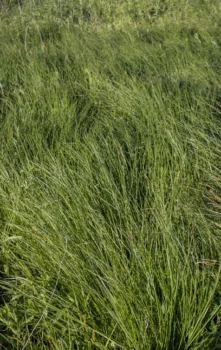
Hayden’s sedge is a grass-like perennial plant that belongs to the sedge family (Cyperaceae). You might also see it listed under its botanical synonyms Carex rousseaui or Carex stricta var. decora in older references. This native beauty forms attractive clumps of narrow, arching foliage that dance gracefully in the breeze.
Where Does it Call Home?
This sedge is a true North American native, naturally occurring across southeastern Canada and the northeastern United States. You’ll find it growing wild in New Brunswick, Nova Scotia, Ontario, and Quebec, as well as throughout much of the Great Lakes region and Northeast, including states like Maine, New Hampshire, Vermont, Massachusetts, Connecticut, Rhode Island, New York, New Jersey, Pennsylvania, Maryland, Ohio, Michigan, Indiana, Illinois, Wisconsin, Minnesota, Iowa, Missouri, North Dakota, and South Dakota.
- Species observed
- No observations
A Word of Caution: Rarity Matters
Before you rush out to find Hayden’s sedge, there’s something important to know. In New Jersey, this plant is listed as endangered with an S1 rarity status, meaning it’s critically imperiled in that state. If you’re considering adding this sedge to your garden, please make sure you source it responsibly from reputable native plant nurseries rather than collecting it from the wild.
Why Your Wet Garden Needs This Sedge
Hayden’s sedge is what botanists call an obligate wetland plant, which means it almost always occurs in wetland conditions. This makes it absolutely perfect for those challenging wet spots in your yard where other plants might rot or struggle. Here’s why it’s worth considering:
- Thrives in consistently moist to wet soils
- Provides fine-textured, graceful foliage that adds movement to the landscape
- Requires minimal maintenance once established
- Offers year-round structure and interest
- Perfect for naturalistic and restoration plantings
Perfect Garden Spots
This sedge shines in specific garden situations:
- Rain gardens and bioswales
- Pond and stream edges
- Bog gardens and wet meadows
- Native plant restoration projects
- Naturalistic landscape designs
Growing Hayden’s Sedge Successfully
The good news is that once you understand its needs, Hayden’s sedge is relatively easy to grow. It’s hardy in USDA zones 3-7, making it suitable for much of the northern United States and southern Canada.
Light Requirements: This adaptable sedge tolerates everything from full sun to partial shade, though it performs best with at least some direct sunlight.
Soil Needs: The key to success is moisture. Plant it in consistently moist to wet, organic-rich soils. It won’t tolerate drought, so avoid dry locations entirely.
Planting Tips: Spring is the ideal planting time. Space plants about 12-18 inches apart if you’re creating a naturalistic drift. Water thoroughly after planting and maintain consistent moisture throughout the growing season.
Care and Maintenance: Once established, this sedge is remarkably low-maintenance. You can cut back the previous year’s growth in early spring before new growth emerges. Division is possible in early spring if you want to propagate your plants, though it’s rarely necessary.
Wildlife and Ecological Benefits
While Hayden’s sedge may not be a flashy pollinator magnet, it plays important ecological roles. As a native wetland plant, it helps with erosion control and water filtration. The dense clumps provide shelter for small wildlife and contribute to the overall biodiversity of wetland ecosystems.
The Bottom Line
Hayden’s sedge is an excellent choice for gardeners looking to create authentic native wetland plantings. Its graceful form, low-maintenance nature, and ecological benefits make it a valuable addition to wet gardens. Just remember to source it responsibly, especially if you’re gardening in areas where it’s considered rare. With proper placement and care, this understated sedge will reward you with years of natural beauty in your wettest garden spots.