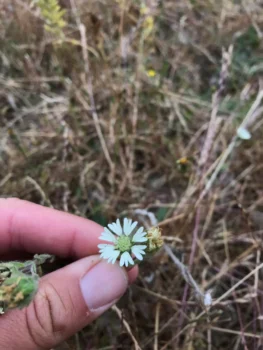
Hayfield Tarweed: A Golden California Native for Drought-Tolerant Gardens
If you’re looking to add some authentic California charm to your garden while supporting local wildlife, hayfield tarweed (Hemizonia congesta congesta) might just be the unsung hero your landscape needs. This humble annual wildflower may not win beauty contests, but it packs a punch when it comes to ecological value and drought tolerance.
What is Hayfield Tarweed?
Hayfield tarweed is a native California annual forb – essentially a non-woody flowering plant that completes its entire life cycle in one growing season. Don’t let the name tarweed put you off; while the plant does have sticky, aromatic foliage, it’s this very characteristic that makes it fascinating and ecologically valuable.
This species goes by several scientific synonyms including Hemizonia congesta DC. ssp. lutescens and Hemizonia lutescens, which you might encounter in older botanical references or seed catalogs.
Where Does It Grow Naturally?
Hayfield tarweed is exclusively native to California, where it once carpeted vast areas of the Central Valley and coastal regions. Sadly, much of its original habitat has been lost to development and agriculture, making it an important plant for restoration efforts and native gardens.
- Species observed
- No observations
Why Plant Hayfield Tarweed?
Here are compelling reasons to consider adding this California native to your garden:
- Drought tolerance: Once established, it thrives with minimal water – perfect for California’s dry summers
- Pollinator magnet: The small yellow flowers attract native bees, beneficial insects, and butterflies
- Low maintenance: As an annual, it does its thing and comes back next year from self-sown seeds
- Authentic habitat: Helps restore California’s natural grassland ecosystems
- Late season interest: Blooms when many other wildflowers have finished
What Does It Look Like?
Hayfield tarweed produces clusters of small, bright yellow composite flowers that create a cheerful display in late summer and fall. The plants have sticky, narrow leaves and can form attractive patches when allowed to naturalize. While individual plants are modest in appearance, they create stunning golden displays when grown en masse.
Perfect Garden Settings
This versatile native works beautifully in:
- Wildflower meadows and naturalized areas
- Drought-tolerant landscapes
- Native plant gardens
- Restoration projects
- Pollinator gardens
- Areas with poor or disturbed soil
Growing Conditions and Care
Hayfield tarweed is refreshingly easy to grow when you work with its natural preferences:
Sunlight: Full sun is essential – this plant loves California’s bright sunshine
Soil: Well-drained soils are crucial. It actually prefers lean, poor soils over rich, amended garden beds
Water: Drought-tolerant once established. Water lightly during germination, then let nature take over
Climate: Best suited for USDA zones 8-10, matching California’s Mediterranean climate
Planting and Propagation Tips
Getting started with hayfield tarweed is straightforward:
- Timing: Direct seed in fall (October-December) to mimic natural conditions
- Seeding: Scatter seeds over prepared soil and rake lightly – don’t bury them deep
- Germination: Seeds need winter rains to germinate naturally
- Spacing: Let plants self-space naturally for the most authentic look
- Maintenance: Minimal care needed once established – just let them do their thing
Wildlife and Ecosystem Benefits
Beyond its drought tolerance and easy care, hayfield tarweed plays an important ecological role. Its flowers provide nectar for native bees and other beneficial insects at a time when few other plants are blooming. The seeds also provide food for birds, making it a valuable addition to wildlife-friendly gardens.
Is Hayfield Tarweed Right for Your Garden?
This native is perfect for gardeners who want to support California’s natural ecosystems while maintaining a low-water landscape. It’s ideal if you’re looking to create authentic habitat, support pollinators, or establish a naturalized area that takes care of itself.
Keep in mind that hayfield tarweed is best suited for informal, naturalized settings rather than formal garden beds. If you’re planning a tidy, manicured landscape, this free-spirited native might not be the right fit.
By choosing hayfield tarweed, you’re not just adding a plant to your garden – you’re helping preserve a piece of California’s natural heritage while creating habitat for the creatures that call the Golden State home.