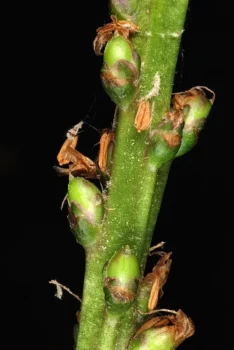
Heartleaf Plantain: A Hidden Gem for Your Wetland Garden
If you’re looking to create a thriving wetland garden or need a native plant for that perpetually soggy spot in your yard, heartleaf plantain (Plantago cordata) might be just the ticket. This unassuming native perennial may not win any beauty contests, but it’s a ecological powerhouse that deserves a closer look from conservation-minded gardeners.
What Is Heartleaf Plantain?
Heartleaf plantain is a native North American perennial forb – that’s botanist-speak for a non-woody plant that comes back year after year. True to its name, this plant sports distinctive heart-shaped leaves with prominent parallel veins that create an interesting textural element in the garden. Don’t expect flashy flowers though; heartleaf plantain produces small, greenish flower spikes that are more functional than decorative.
Where Does It Naturally Grow?
This moisture-loving native has quite an impressive range across eastern North America. You’ll find heartleaf plantain growing naturally from southeastern Canada down through the eastern United States. Its current distribution includes Alabama, Arkansas, Ontario, District of Columbia, Florida, Georgia, Illinois, Indiana, Iowa, Kentucky, Maryland, Michigan, Mississippi, Missouri, New York, North Carolina, Ohio, Tennessee, Virginia, and Wisconsin.
- Species observed
- No observations
A Word of Caution: Rarity Status
Here’s something important to know: heartleaf plantain is considered rare in some areas. Both Alabama and Arkansas list it with an S2 rarity status, meaning it’s imperiled in those states. If you’re interested in growing this plant, please source it responsibly from reputable native plant nurseries rather than collecting from wild populations.
Why Grow Heartleaf Plantain?
You might wonder why anyone would want to grow such a modest-looking plant, but heartleaf plantain offers several compelling reasons:
- Wetland specialist: This plant thrives in consistently wet conditions where many other plants struggle
- Native ecosystem support: It provides food and habitat for native wildlife as part of natural wetland communities
- Pollinator resource: Small native bees, flies, and other tiny pollinators visit the inconspicuous flowers
- Low maintenance: Once established in the right conditions, it pretty much takes care of itself
- Authentic native landscaping: Perfect for gardeners focused on ecological function over ornamental flash
Perfect Garden Settings
Heartleaf plantain isn’t the right choice for your typical perennial border, but it shines in specific garden types:
- Rain gardens and bioswales
- Bog or wetland gardens
- Naturalized areas near streams or ponds
- Conservation plantings and habitat restoration projects
- Native plant gardens focused on ecosystem services
Growing Conditions and Care
The key to success with heartleaf plantain is understanding its wetland nature. This plant is classified as Obligate Wetland across all regions where it grows, meaning it almost always occurs in wetlands in nature.
Soil: Consistently moist to wet, organic-rich soils. It can adapt to various soil types but prefers slightly acidic to neutral conditions.
Light: Partial shade to full sun, though it seems to appreciate some protection from intense afternoon sun in hotter climates.
Water: This is non-negotiable – heartleaf plantain needs consistent moisture. Think swampy rather than just moist.
Hardiness: Hardy in USDA zones 3-8, making it suitable for most of the northern and central United States.
Planting and Maintenance Tips
Plant heartleaf plantain in spring after the last frost. If you’re starting from seed (which should be responsibly sourced), keep in mind that germination can be slow and erratic. Many gardeners prefer to purchase small plants from native plant nurseries.
Once established, maintenance is minimal. The main requirement is ensuring consistent soil moisture – if your chosen spot ever dries out significantly, your heartleaf plantain won’t be happy. In suitable conditions, it may self-seed and gradually naturalize, which is exactly what you want in a wetland garden setting.
The Bottom Line
Heartleaf plantain won’t give you the showstopping blooms of cardinal flower or the architectural drama of native irises, but it fills a crucial niche in wetland ecosystems. If you have consistently wet conditions and want to support native biodiversity while creating an authentic wetland plant community, this humble native deserves consideration. Just remember to source it responsibly, especially if you’re in Alabama or Arkansas where it’s particularly rare.
Sometimes the most valuable garden plants are the quiet ones that do their ecological work behind the scenes – and heartleaf plantain is definitely one of those unsung heroes.