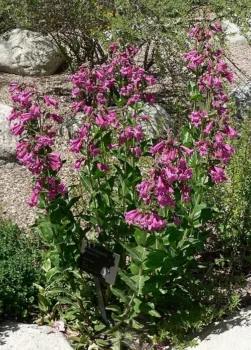
Heller’s Beardtongue: A Rare Texas Native Worth Protecting
If you’re a Texas gardener looking to support native biodiversity while adding something truly special to your landscape, Heller’s beardtongue (Penstemon triflorus) might just be the plant you’ve been searching for. This native perennial is a member of the beloved beardtongue family, known for their tubular flowers that pollinators absolutely adore.
A True Texas Native
Heller’s beardtongue is exclusively native to Texas, making it a fantastic choice for gardeners who want to grow plants that truly belong in their local ecosystem. As a native species, it has evolved alongside local wildlife and is perfectly adapted to Texas conditions.
- Species observed
- No observations
Important Conservation Note
Here’s something crucial every gardener should know: Heller’s beardtongue has a Global Conservation Status of S3, meaning it’s considered vulnerable. This classification indicates the species is at risk due to its rarity and limited distribution. If you’re interested in growing this plant, it’s essential to source it responsibly from reputable native plant nurseries or conservation organizations – never collect from wild populations.
What Makes It Special
Penstemon triflorus is classified as a forb – essentially a non-woody perennial plant that dies back to the ground each winter and returns the following spring. Like other members of the Penstemon family, it likely produces the characteristic tubular flowers that give beardtongues their charm and pollinator appeal.
Growing Heller’s Beardtongue
While specific growing information for Penstemon triflorus is limited due to its rarity, we can draw from general Penstemon growing wisdom:
- Most Penstemons prefer well-draining soil and can handle drought conditions once established
- They typically thrive in full sun to partial shade
- As a Texas native, it’s likely adapted to the state’s challenging climate conditions
- Minimal water requirements once established make it potentially excellent for xeriscaping
Garden Design Ideas
Though specific design recommendations are limited for this rare species, Penstemons generally work beautifully in:
- Native plant gardens
- Pollinator gardens
- Drought-tolerant landscapes
- Wildflower meadows
- Rock gardens
Supporting Pollinators and Wildlife
While specific pollinator data for Penstemon triflorus isn’t readily available, beardtongues as a group are renowned for attracting hummingbirds, native bees, and butterflies. By growing this rare native, you’re likely providing valuable nectar sources for local pollinators.
The Bottom Line
Should you plant Heller’s beardtongue? If you can source it responsibly, absolutely! By growing this vulnerable native species, you’re participating in conservation efforts while supporting local ecosystems. However, due to its rarity, it might be challenging to find in regular nurseries.
Consider reaching out to native plant societies, botanical gardens, or conservation organizations in Texas for sourcing options. And remember – every rare native plant grown in cultivation is a small victory for biodiversity conservation.
While we wait for more research and availability of this special species, there are many other Texas native Penstemons to explore, such as Penstemon cobaea (Foxglove Beardtongue) or Penstemon murrayanus (Cupped Beardtongue), which can provide similar benefits to your garden and local wildlife.