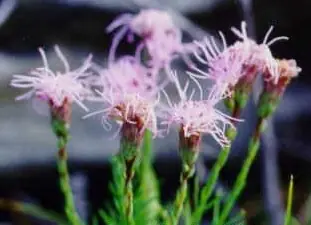
Heller’s Blazing Star: A Rare Mountain Gem Worth Protecting
Meet Heller’s blazing star (Liatris helleri), one of North America’s most exclusive native wildflowers. This isn’t your typical garden center find – it’s a rare mountain treasure that deserves both our admiration and our protection.
What Makes Heller’s Blazing Star Special
Heller’s blazing star is a perennial forb that brings something truly unique to the garden world. Unlike most flowers that bloom from bottom to top, this charming wildflower opens its purple-pink blooms from the tip of the spike downward, creating a delightful reverse firework effect that never fails to surprise visitors.
This herbaceous perennial lacks woody stems but makes up for it with stunning vertical flower spikes that emerge in late summer, just when many other native plants are winding down for the season.
Where Does It Call Home?
Here’s where things get really interesting (and a bit concerning): Heller’s blazing star is found exclusively in western North Carolina, making it one of the state’s most geographically restricted native plants. It’s a true Blue Ridge Mountains endemic, meaning you won’t find it growing wild anywhere else on Earth.
- Species observed
- No observations
A Plant That Needs Our Help
Before you get too excited about adding this beauty to your garden, there’s something important you need to know: Heller’s blazing star is listed as Threatened. Its extremely limited range and specialized habitat requirements have put this species at risk.
If you’re determined to grow this rare gem, please ensure you source it from reputable native plant nurseries that propagate their stock responsibly – never from wild-collected plants. Better yet, consider supporting conservation efforts that protect its natural habitat.
Garden Appeal and Design Role
When grown in appropriate conditions, Heller’s blazing star serves as an excellent vertical accent plant. Its slender flower spikes can reach 2-3 feet tall, making it perfect for:
- Rock gardens and alpine-style plantings
- Native plant collections
- Naturalized wildflower areas
- Mountain-themed landscape designs
The plant’s late summer blooming period fills a crucial gap when many spring and early summer wildflowers have finished their show.
Pollinator Paradise
Like its blazing star cousins, Heller’s blazing star is a magnet for pollinators. Its nectar-rich flowers attract butterflies, native bees, and other beneficial insects during a time when food sources can be scarce. The dense flower spikes provide an efficient one-stop shop for hungry pollinators.
Growing Conditions and Care
If you’re lucky enough to acquire responsibly sourced plants, Heller’s blazing star is surprisingly adaptable:
- Sunlight: Full sun to partial shade
- Soil: Well-drained soils; tolerates poor, rocky conditions
- Water: Drought tolerant once established
- Hardiness: USDA zones 5-8
The key to success is excellent drainage – these mountain natives despise soggy conditions. If your soil tends to hold water, consider planting in raised beds or on slopes.
Planting and Care Tips
Spring is the best time to plant Heller’s blazing star. Here’s how to give it the best start:
- Choose a location with morning sun and good air circulation
- Amend heavy clay soils with coarse sand or gravel for drainage
- Water regularly the first year, then reduce as the plant establishes
- Avoid fertilizing – these plants prefer lean soils
- Leave seed heads standing through winter for wildlife and natural reseeding
The Bottom Line
Heller’s blazing star is a plant that captures the heart of anyone who encounters it. Its rarity makes it both incredibly special and incredibly vulnerable. While it can make a stunning addition to the right garden, growing it comes with the responsibility of supporting conservation efforts and using only ethically sourced plants.
If you can’t find responsibly sourced Heller’s blazing star, consider planting its more common relatives like rough blazing star (Liatris aspera) or dense blazing star (Liatris spicata), which offer similar beauty and pollinator benefits without the conservation concerns.
Sometimes the best way to appreciate a rare plant is to support its protection in the wild – ensuring future generations can marvel at this Blue Ridge beauty in its natural mountain home.