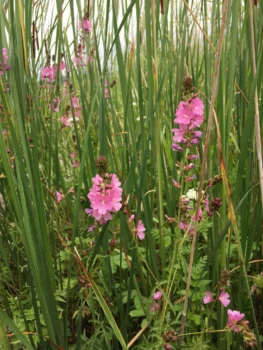
Henderson’s Checkerbloom: A Rare Pacific Northwest Native Worth Growing Responsibly
If you’re looking to add a touch of delicate pink charm to your native garden while supporting local ecosystems, Henderson’s checkerbloom (Sidalcea hendersonii) might just be the perfect perennial for you. This lovely native wildflower brings both beauty and ecological value to Pacific Northwest gardens, though its rarity means we need to be thoughtful about how we grow it.
What Makes Henderson’s Checkerbloom Special
Henderson’s checkerbloom is a charming perennial forb—essentially a non-woody flowering plant that comes back year after year. Unlike its woody shrub neighbors, this plant stays relatively soft and herbaceous, putting its energy into gorgeous pink to rose-colored flower spikes rather than building thick stems.
What really sets this plant apart is its native pedigree. As a true native to Alaska, Canada, and the lower 48 states, it has co-evolved with local wildlife and growing conditions for thousands of years. You’ll find it naturally growing in British Columbia, Alaska, Oregon, and Washington, where it has adapted to the unique climate patterns of the Pacific Northwest.
- Species observed
- No observations
Important Conservation Note
Before we dive into growing tips, there’s something important every gardener should know: Henderson’s checkerbloom has a Global Conservation Status of S3, meaning it’s considered vulnerable. With typically only 21 to 100 occurrences or between 3,000 and 10,000 individuals remaining in the wild, this beautiful native needs our help.
This doesn’t mean you can’t grow it—quite the opposite! Growing native plants like Henderson’s checkerbloom in our gardens can actually help preserve these species. However, it does mean you should only source your plants or seeds from reputable native plant nurseries that propagate their stock responsibly, never from wild collection.
Garden Appeal and Design Role
Henderson’s checkerbloom brings a soft, cottage garden feel to native landscapes. Its delicate pink flower spikes create lovely vertical interest and pair beautifully with other Pacific Northwest natives. The plant works wonderfully in:
- Native plant gardens as a colorful accent
- Wildflower meadows for natural charm
- Wildlife gardens to support local pollinators
- Cottage-style gardens with a native twist
Pollinator and Wildlife Benefits
One of the best reasons to grow Henderson’s checkerbloom is its value to local wildlife. The flowers are magnets for native bees, butterflies, and other pollinators who have evolved alongside this plant. By adding it to your garden, you’re essentially setting up a native pollinator café that serves exactly what your local wildlife needs.
Growing Conditions and Care
The good news is that Henderson’s checkerbloom isn’t particularly fussy once you understand its preferences. This adaptable native can handle a range of conditions, which explains its interesting wetland status—it’s facultative upland in Alaska (preferring drier sites) but facultative wetland in western mountain regions (preferring moister spots).
Here’s what this plant loves:
- Light: Partial shade to full sun
- Soil: Moist to moderately dry, well-draining soils
- Hardiness: USDA Zones 7-9
- Water: Moderate moisture, adapts to local rainfall patterns
Planting and Care Tips
Getting Henderson’s checkerbloom established in your garden is relatively straightforward:
- Timing: Plant in spring after the last frost
- Spacing: Give plants room to spread naturally
- Mulching: Apply organic mulch to retain moisture and suppress weeds
- Maintenance: Once established, this native requires minimal care
- Watering: Water regularly the first year, then let natural rainfall take over
Should You Grow Henderson’s Checkerbloom?
If you live within this plant’s native range and want to support local ecosystems while adding gentle beauty to your garden, Henderson’s checkerbloom is definitely worth considering. Its vulnerable status makes it even more important for gardeners to grow—we can be part of the conservation solution.
Just remember to source your plants responsibly from nurseries that propagate rather than wild-collect, and you’ll be doing your part to help this lovely native thrive for future generations. Plus, your local pollinators will thank you for the native buffet!
Henderson’s checkerbloom proves that sometimes the most special garden additions are the ones that have been quietly growing in our own backyards all along—we just need to give them the space and respect they deserve.