Hercules’ Club: The Thorny Native That’s Tougher Than It Looks
Meet Hercules’ Club (Zanthoxylum clavaherculis), a native shrub that’s definitely not your average garden plant. This spiky character might look intimidating with its armor of thorns, but it’s actually a fascinating addition to the right landscape. If you’re looking for a conversation starter that doubles as a wildlife magnet, this southeastern native might just be your new garden hero.
What Makes Hercules’ Club Special
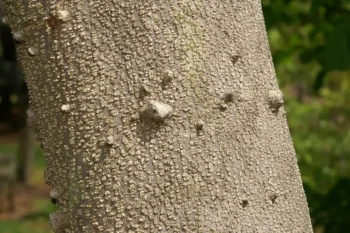
Also known by its botanical name Zanthoxylum clavaherculis, this perennial shrub is like nature’s own medieval mace. The plant gets its dramatic common name from the large, cone-shaped thorns that cover its trunk and branches, resembling the club of the legendary strongman himself. But don’t let the fierce appearance fool you – this native beauty has a lot more to offer than just intimidation factor.
This multi-stemmed woody plant typically grows to about 13-16 feet tall, though it can stretch taller in the right conditions. What really sets it apart are those unmistakable thorns and its compound leaves that create an almost tropical appearance in your garden.
Where Hercules’ Club Calls Home
As a true native of the lower 48 states, Hercules’ Club has deep roots in the American Southeast. You’ll find it naturally growing across Alabama, Arkansas, Florida, Georgia, Louisiana, Mississippi, North Carolina, Oklahoma, South Carolina, Texas, and Virginia. This wide distribution tells us something important – this plant knows how to adapt.
- Species observed
- No observations
Garden Appeal and Landscape Role
Hercules’ Club isn’t trying to be the prettiest plant in the garden, and that’s exactly what makes it so interesting. Its aesthetic appeal lies in its bold, architectural presence and unique texture. The thorny bark creates incredible winter interest when other plants have gone dormant, while the compound leaves provide a lush, almost exotic look during the growing season.
Small greenish flowers appear in clusters, followed by tiny red berries that add another layer of visual interest. But the real show-stopper is always going to be that distinctive thorny trunk.
In landscape design, Hercules’ Club works best as:
- A specimen plant where its unique form can be appreciated
- Natural barrier or security planting (those thorns aren’t just for show!)
- Wildlife habitat enhancement
- Addition to native plant gardens or naturalized areas
Perfect Garden Matches
This isn’t a plant for formal rose gardens or manicured landscapes. Hercules’ Club thrives in more relaxed, natural settings like:
- Native plant gardens
- Wildlife-friendly landscapes
- Xeriscaped areas (it’s quite drought tolerant)
- Naturalized or woodland edge plantings
- Coastal gardens (it handles salt spray well)
Wildlife and Pollinator Benefits
Here’s where Hercules’ Club really earns its keep. Those small flowers might not look like much to us, but they’re pollinator magnets. Bees, flies, and other beneficial insects flock to the blooms, making this native shrub a valuable contributor to local ecosystems.
The berries that follow provide food for birds, while the dense, thorny growth offers excellent nesting sites and protection for smaller wildlife. It’s like a one-stop shop for backyard biodiversity.
Growing Conditions and Care
One of the best things about Hercules’ Club is how adaptable it is. Based on its wetland status, this plant is remarkably flexible about moisture – it can handle both wetland conditions and drier upland sites, though it leans toward preferring well-drained areas.
Hardy in USDA zones 7-10, it’s well-suited to the climate across much of the Southeast. The plant prefers full sun to partial shade and isn’t particularly fussy about soil type, though it appreciates good drainage.
Once established, Hercules’ Club is refreshingly low-maintenance. It’s drought tolerant, rarely needs fertilizing, and generally takes care of itself. The main consideration is pruning – and let’s be honest, with all those thorns, you’ll want to keep that to a minimum!
Planting and Care Tips
Getting Hercules’ Club established is straightforward:
- Plant in spring or fall for best establishment
- Choose a location with room for it to spread – remember, it’s a multi-stemmed shrub
- Water regularly the first year, then step back and let nature take over
- Wear heavy gloves and protective clothing when handling – those thorns are serious business
- Minimal pruning needed; remove dead or damaged wood in late winter if necessary
Should You Plant Hercules’ Club?
Hercules’ Club isn’t for everyone, and that’s perfectly fine. Consider this native if you:
- Want to support native wildlife and pollinators
- Appreciate unique, architectural plants
- Need a low-maintenance, drought-tolerant option
- Want natural barrier planting
- Have space for a larger shrub
Skip it if you have small children who might encounter those thorns, prefer formal landscaping, or don’t have adequate space for its mature size.
For gardeners in the Southeast looking to embrace native plants, Hercules’ Club offers something truly special – a chance to grow a plant that’s been thriving in these landscapes for centuries, supporting local wildlife while adding undeniable character to your garden. Just remember to give it the respect (and wide berth) those impressive thorns demand!