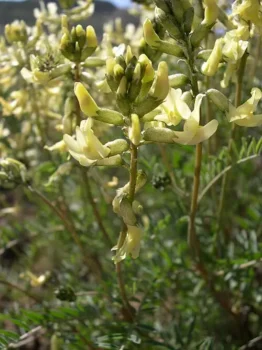
Hermit Milkvetch: A Rare Desert Gem Worth Protecting
Meet the hermit milkvetch (Astragalus eremiticus), a fascinating little perennial that lives up to its reclusive name. This rare native wildflower has carved out a specialized niche in the harsh desert landscapes of the American West, where it quietly goes about its business of surviving in some pretty tough conditions.
What Makes Hermit Milkvetch Special?
This charming desert dweller belongs to the legume family and produces delicate purple to pink pea-like flowers that seem almost too delicate for their rugged environment. The silvery-green compound leaves have adapted beautifully to desert life, helping the plant conserve precious moisture while still looking quite attractive.
As a native perennial, hermit milkvetch has deep roots—literally and figuratively—in the ecosystems of Arizona, Idaho, Nevada, Oregon, and Utah. It’s perfectly adapted to the boom-and-bust cycles of desert life, lying low during dry periods and putting on a show when conditions are just right.
- Species observed
- No observations
The Rarity Reality Check
Here’s the important part: Hermit milkvetch has a Global Conservation Status of S1Q and is listed as endangered in some areas. This means we need to treat this little plant with extra care and respect. If you’re thinking about adding it to your garden, please make sure you’re working with responsibly sourced material—never collect from wild populations!
Should You Grow Hermit Milkvetch?
Given its rarity status, hermit milkvetch isn’t your typical garden center find, and that’s probably for the best. This plant is best suited for:
- Serious native plant enthusiasts with experience growing rare species
- Restoration projects in appropriate habitats
- Specialized xeric or desert-themed gardens
- Rock gardens with excellent drainage
If you do decide to grow this rare beauty, you’ll be contributing to its conservation while enjoying a truly unique addition to your landscape.
Growing Conditions and Care
Hermit milkvetch is definitely not a plant it and forget it kind of perennial, but it’s not impossible to grow if you understand its needs:
Soil Requirements: This plant absolutely demands excellent drainage. Think sandy, gravelly soils that would make most plants throw in the towel. Clay soil is a definite no-go.
Water Needs: Once established, hermit milkvetch is incredibly drought tolerant. In fact, too much water is more likely to kill it than too little. Water sparingly during establishment, then let nature take over.
Sun Exposure: Full sun is the way to go. This plant has evolved under the intense desert sun and won’t be happy in shade.
USDA Zones: Best suited for zones 4-8, matching its native range in the intermountain region.
The Pollinator Connection
While hermit milkvetch might be rare, it plays an important role in supporting native pollinators, particularly specialized bees that have co-evolved with desert legumes. By growing this plant responsibly, you’re not just adding beauty to your garden—you’re supporting an entire web of desert life.
A Word of Caution and Encouragement
If you’re new to native gardening or desert plants, hermit milkvetch might not be the best starting point. Consider beginning with more common native species from your area before tackling rare plants that require specialized care.
However, if you’re an experienced native plant gardener looking for a meaningful conservation project, growing hermit milkvetch from ethically sourced seed or plants can be incredibly rewarding. Just remember: with great rarity comes great responsibility!
The hermit milkvetch reminds us that some of nature’s most precious gems are also its most vulnerable. Whether you choose to grow it or simply appreciate it from afar, this little desert survivor deserves our respect and protection.