Hester’s Foxtail Cactus: A Rare Texas Treasure Worth Protecting
Meet one of Texas’s most elusive native cacti: Hester’s foxtail cactus (Escobaria hesteri). This diminutive desert dweller might not be the showiest plant in your garden, but it carries the distinction of being a truly rare native species that deserves our attention and conservation efforts.
What Makes This Cactus Special
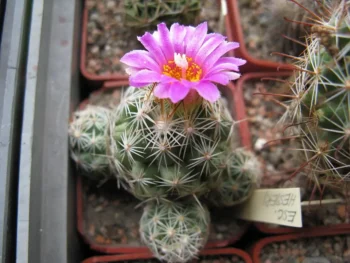
Hester’s foxtail cactus is a small, barrel-shaped cactus that forms compact clusters over time. Despite its modest size, this perennial succulent produces stunning pink to magenta flowers in spring that create a beautiful contrast against its spiny, green body. The common name foxtail likely refers to the dense arrangement of spines that give the plant a fuzzy appearance from a distance.
You might also encounter this species listed under its scientific synonyms: Coryphantha hesteri or Mammillaria hesteri in older botanical references.
Where It Calls Home
This cactus is a true Texas native, found exclusively in the Lone Star State. Its natural range is quite limited, which contributes to its conservation concerns. Hester’s foxtail cactus grows in the harsh, arid landscapes of Texas where few other plants dare to thrive.
- Species observed
- No observations
A Plant That Needs Our Help
Important Conservation Note: Hester’s foxtail cactus has a Global Conservation Status of S2, meaning it’s considered imperiled due to extreme rarity. With typically only 6 to 20 occurrences and few remaining individuals (1,000 to 3,000), this species is vulnerable to extinction.
If you’re interested in growing this remarkable native cactus, please ensure you source it only from reputable nurseries that propagate plants responsibly rather than collecting from wild populations.
Garden Design and Landscape Role
While small in stature, Hester’s foxtail cactus can play several important roles in the right garden setting:
- Perfect accent plant for xeriscape and drought-tolerant landscapes
- Excellent addition to rock gardens and desert-themed designs
- Valuable specimen for native plant collections
- Ideal for small spaces or container growing
This cactus works best in gardens that celebrate native Texas flora and sustainable landscaping practices. It pairs beautifully with other native succulents and drought-resistant perennials.
Growing Conditions and Care
Like most desert cacti, Hester’s foxtail cactus thrives in conditions that mimic its natural habitat:
- Sunlight: Full sun exposure is essential
- Soil: Well-draining soil is absolutely critical – poor drainage will kill this plant
- Water: Minimal watering required; drought-tolerant once established
- Climate: Suitable for USDA hardiness zones 8-10
Planting and Care Tips
Success with Hester’s foxtail cactus comes down to one key principle: don’t love it to death with too much water or attention.
- Plant in spring after the last frost
- Ensure excellent drainage by amending heavy soils with sand and gravel
- Water sparingly – only when soil is completely dry
- Protect from excessive winter moisture
- Fertilization is rarely necessary
Benefits to Wildlife and Pollinators
Despite its small size, this cactus provides valuable resources for wildlife. The spring flowers attract bees and other small pollinators, contributing to the local ecosystem’s health. As with many native plants, it’s adapted to support the specific needs of regional wildlife.
Should You Grow Hester’s Foxtail Cactus?
This plant is perfect for gardeners who:
- Want to support native plant conservation
- Appreciate rare and unique species
- Have experience with cactus cultivation
- Live in appropriate climate zones (8-10)
- Can provide proper growing conditions
However, this might not be the right choice if you’re new to cactus growing or live in areas with high humidity and poor drainage conditions.
By choosing to grow Hester’s foxtail cactus with responsibly sourced plants, you’re not just adding a unique native to your garden – you’re participating in the conservation of a truly special Texas treasure. Every plant grown in cultivation helps reduce pressure on wild populations and keeps this remarkable species alive for future generations to appreciate.