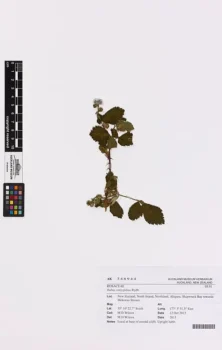
Highbush Blackberry: A Rare Native Gem for Your Garden
If you’re looking for a native plant that’s both functional and charming, let me introduce you to the highbush blackberry (Rubus ostryifolius). This delightful little shrub might not be the showiest plant in your garden, but it packs a punch when it comes to supporting local wildlife and providing you with tasty treats.
What Makes This Blackberry Special?
Don’t let the name fool you – this highbush blackberry is actually quite modest in stature. Unlike its towering cousins, Rubus ostryifolius stays low and manageable, typically reaching just 1.5 feet tall and rarely exceeding 3 feet at maturity. This perennial shrub produces lovely white flowers in spring that give way to delicious blackberries, making it both ornamental and edible.
Where Does It Call Home?
This native beauty is naturally found across several eastern states, including Delaware, District of Columbia, Kentucky, Maine, Maryland, New Jersey, New York, and Virginia. It’s perfectly adapted to the climate and growing conditions of these regions, making it an excellent choice for gardeners wanting to support their local ecosystem.
- Species observed
- No observations
A Word About Rarity
Here’s something important to know: highbush blackberry has a somewhat uncertain conservation status and is considered rare in some areas, particularly in New Jersey where it’s listed as Highlands Listed. This means if you decide to grow this plant, it’s crucial to source it responsibly from reputable native plant nurseries rather than collecting from the wild.
Why Your Garden (and Local Wildlife) Will Love It
This compact blackberry brings several benefits to your landscape:
- Attracts bees, butterflies, and other important pollinators with its spring blooms
- Provides food for birds and small mammals through its berries
- Works wonderfully as groundcover in naturalized areas
- Helps prevent soil erosion with its spreading growth habit
- Offers you a harvest of tasty berries for jams, pies, or fresh eating
Perfect Spots for Planting
Highbush blackberry thrives in USDA hardiness zones 5-8 and is quite adaptable when it comes to growing conditions. It performs well in both partial shade and full sun, making it versatile for different garden situations. Consider using it in:
- Woodland garden edges
- Naturalized landscape areas
- Wildlife habitat gardens
- Slopes needing erosion control
- Native plant gardens
Growing Tips for Success
One of the best things about this native plant is how low-maintenance it can be once established. It tolerates various soil types and moisture levels, though it prefers well-drained to moderately moist conditions. Here are some care tips:
- Plant in spring or fall for best establishment
- Water regularly during the first growing season
- Mulch around plants to retain moisture and suppress weeds
- Prune lightly in late winter to maintain shape if desired
- Be aware that it may spread via underground runners – a feature, not a bug, if you want groundcover!
Is This Plant Right for You?
Highbush blackberry is an excellent choice if you’re looking to create habitat for native wildlife while adding an edible element to your landscape. Its modest size makes it suitable for smaller gardens, and its spreading nature works well for naturalizing larger areas. However, remember to source plants responsibly due to its rarity status in some regions.
If you can’t find Rubus ostryifolius from reputable sources, consider other native Rubus species that might be more readily available in your area. Your local native plant society or extension office can help you identify good alternatives that will provide similar benefits to your garden ecosystem.
This little blackberry may be rare, but with responsible cultivation, it can be a wonderful addition to gardens that celebrate and support native biodiversity. Plus, who doesn’t love the idea of picking fresh berries right from their own backyard?