Highlands Scrub St. Johnswort: A Rare Florida Treasure Worth Protecting
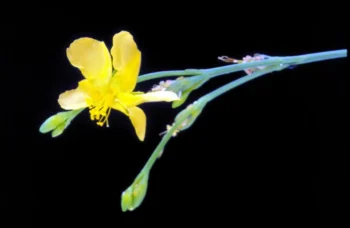
Meet one of Florida’s most endangered wildflowers – the highlands scrub St. Johnswort (Hypericum cumulicola). This little yellow-flowered beauty is fighting for survival in one of the world’s most threatened ecosystems, and it needs our help to stick around for future generations.
What Makes This Plant Special?
The highlands scrub St. Johnswort is a true Florida native, found nowhere else on Earth except in the sandy scrub habitats of central Florida. This herbaceous perennial (it can also behave as a biennial) belongs to the St. Johnswort family, producing cheerful yellow flowers that brighten up the often harsh scrubland environment.
Also known by its scientific name Hypericum cumulicola, this plant was once classified as Sanidophyllum cumulicola, but botanists have since moved it to the Hypericum genus where it belongs with its St. Johnswort cousins.
Where Does It Grow?
This rare gem is endemic to Florida, specifically thriving in the unique scrub ecosystems found primarily along the Lake Wales Ridge. These ancient sand dunes provide the perfect combination of well-draining sandy soils and intense sunshine that this specialized plant craves.
- Species observed
- No observations
A Plant in Peril
Important Conservation Note: Before we talk about growing this beauty, you need to know that highlands scrub St. Johnswort is seriously endangered. It has a Global Conservation Status of S2, meaning it’s imperiled due to extreme rarity, and it’s listed as Endangered in the United States. With typically only 6 to 20 known populations and fewer than 3,000 individual plants remaining, this species is hanging on by a thread.
If you’re considering adding this plant to your garden, please only use responsibly sourced material from reputable native plant nurseries that propagate from legally collected seeds or cuttings. Never collect from wild populations!
Garden Appeal and Landscape Role
While small in stature, highlands scrub St. Johnswort packs a punch with its bright yellow flowers that bloom throughout much of the growing season. The five-petaled blossoms are classic St. Johnswort style – simple but cheerful, attracting small native bees and other pollinators to your garden.
This plant is perfect for:
- Native plant conservation gardens
- Florida scrub habitat restoration projects
- Educational gardens showcasing rare species
- Pollinator gardens focused on native species
- Sand gardens and xeriscaping projects
Growing Conditions
Think Florida scrub when planning for this plant. It’s adapted to some pretty tough conditions:
- Sunlight: Full sun is essential
- Soil: Well-draining sandy soils – the sandier, the better!
- Water: Drought tolerant once established; avoid overwatering
- Climate: USDA hardiness zones 9-11 (basically Florida’s climate)
- Nutrients: Prefers nutrient-poor soils; too much fertilizer can harm it
Planting and Care Tips
Growing highlands scrub St. Johnswort successfully means mimicking its natural habitat:
- Plant in the sandiest soil you can find – if water doesn’t drain quickly, add more sand
- Choose the sunniest spot in your yard
- Skip the fertilizer – this plant evolved in nutrient-poor conditions
- Water sparingly, especially once established
- Allow natural leaf litter to accumulate around the plant
- Be patient – this slow-growing plant may take time to establish
Supporting Wildlife
Even though it’s small, this native wildflower supports local pollinator populations, particularly small native bees that have co-evolved with Florida’s scrub plants. By growing highlands scrub St. Johnswort, you’re not just adding beauty to your garden – you’re providing critical habitat for creatures that depend on these rare plants.
The Bottom Line
Should you plant highlands scrub St. Johnswort? If you live in Florida and can provide the sandy, sunny conditions it needs, absolutely – but only with responsibly sourced plants. This endangered beauty deserves a place in conservation-minded gardens where it can continue its important ecological role while being protected for future generations.
Remember, every plant counts when a species is this rare. By choosing to grow highlands scrub St. Johnswort responsibly, you become part of the conservation effort to save one of Florida’s most precious wildflowers.