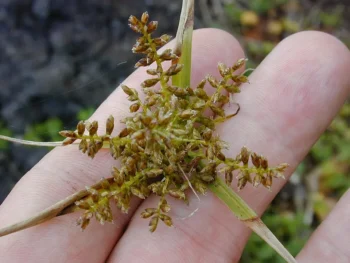
Hillebrand’s Flatsedge: A Rare Hawaiian Native Worth Protecting
Meet Hillebrand’s flatsedge (Cyperus hillebrandii), a humble yet important native Hawaiian sedge that deserves a spot in every conservation-minded gardener’s heart. While it might not be the showiest plant in your garden, this grass-like perennial carries significant ecological value and represents Hawaii’s unique botanical heritage.
What Makes This Plant Special?
Hillebrand’s flatsedge belongs to the sedge family, giving it that distinctive grass-like appearance that many gardeners find both elegant and understated. As a perennial, it provides year-round structure to your landscape, quietly doing its part to support local ecosystems.
What truly sets this plant apart is its status as a Hawaiian endemic – it exists nowhere else on Earth. This makes every individual plant a living piece of Hawaii’s natural history.
Where Does It Call Home?
This sedge is exclusively native to the Hawaiian Islands, where it has evolved over thousands of years to thrive in the unique island climate and conditions. You won’t find Hillebrand’s flatsedge growing naturally anywhere else in the world, making it a true treasure of Hawaiian biodiversity.
- Species observed
- No observations
A Conservation Concern
Here’s where things get serious: Hillebrand’s flatsedge has a Global Conservation Status of S3, meaning it’s considered vulnerable. With typically only 21 to 100 occurrences and between 3,000 to 10,000 individuals remaining, this plant faces real challenges in the wild.
This vulnerable status makes responsible sourcing absolutely critical if you’re considering adding this plant to your garden. Never collect plants from the wild, and only purchase from reputable nurseries that propagate plants ethically.
Growing Hillebrand’s Flatsedge
If you’re lucky enough to source this rare beauty responsibly, you’ll be growing a plant adapted to Hawaii’s tropical climate. This means it’s best suited for USDA hardiness zones 10-12, where temperatures rarely dip below 30°F.
Like most sedges, Hillebrand’s flatsedge likely prefers:
- Consistent moisture (sedges generally don’t like to dry out completely)
- Partial to full sun exposure
- Well-draining soil that retains some moisture
- Protection from strong winds in exposed locations
Perfect for Native Hawaiian Gardens
This sedge shines in native Hawaiian landscape designs and restoration projects. Its grass-like form provides excellent texture contrast when planted alongside broader-leaved native plants. Consider it for:
- Rain gardens and moisture-retentive areas
- Native plant borders and naturalized areas
- Conservation gardens focused on Hawaiian endemics
- Educational landscapes highlighting rare Hawaiian flora
Should You Plant It?
If you’re gardening in Hawaii and passionate about native plants, Hillebrand’s flatsedge could be a meaningful addition to your landscape – but only if you can source it responsibly. This plant offers the chance to directly participate in conservation by providing safe harbor for a vulnerable species.
However, due to its rarity, this isn’t a plant for casual gardening. It’s best suited for dedicated native plant enthusiasts, restoration projects, or botanical gardens with conservation missions.
The Bottom Line
Hillebrand’s flatsedge may be small and unassuming, but it represents something much larger: Hawaii’s irreplaceable natural heritage. While growing it requires careful consideration and responsible sourcing, gardeners who take on this challenge become partners in conservation, helping ensure this unique sedge continues to grace Hawaiian landscapes for generations to come.
Remember: with great botanical rarity comes great responsibility. If you choose to grow Hillebrand’s flatsedge, you’re not just adding a plant to your garden – you’re becoming a steward of Hawaiian biodiversity.