Hillman’s Silverscale: A Hardy Native Annual for Western Gardens
If you’re looking for a low-maintenance native plant that thrives in tough conditions, Hillman’s silverscale (Atriplex hillmanii) might just be the unsung hero your western garden needs. This modest annual may not win any beauty contests, but it brings some serious practical benefits to drought-tolerant landscapes.
Meet Hillman’s Silverscale
Hillman’s silverscale is a native annual plant that belongs to the same family as spinach and quinoa. You might also see it listed under its scientific synonym, Atriplex argentea var. hillmanii. Don’t let its humble appearance fool you – this little plant has adapted beautifully to some pretty challenging growing conditions across the American West.
Where Does It Call Home?
This native gem naturally occurs across three western states: California, Nevada, and Oregon. You’ll find it thriving in arid and semi-arid regions where many other plants would throw in the towel. It’s particularly well-suited to USDA hardiness zones 8-10, where it can complete its annual life cycle without fuss.
- Species observed
- No observations
What Does It Look Like?
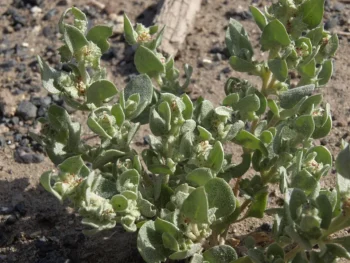
Hillman’s silverscale is definitely more function than flash. As an annual herb, it grows as a small, low-spreading plant with distinctive silvery-scaly leaves that help it conserve water in dry conditions. The flowers are pretty inconspicuous – we’re talking tiny and greenish, nothing that’s going to stop traffic. But sometimes the most practical plants are the most valuable ones!
Why Grow Hillman’s Silverscale?
Here’s where this little plant really shines:
- Drought champion: Once established, it needs minimal water – perfect for water-wise gardening
- Soil stabilizer: Great for erosion control on slopes or disturbed areas
- Native plant credentials: Supporting local ecosystems and wildlife
- Low maintenance: This is definitely a plant it and forget it kind of plant
- Adaptable: Handles poor, rocky, or sandy soils like a champ
Where to Use It in Your Landscape
Hillman’s silverscale works best in:
- Drought-tolerant or xeriscape gardens
- Native plant restoration projects
- Areas with poor or disturbed soil
- Slopes needing erosion control
- Background plantings in water-wise landscapes
It’s classified as Facultative Upland, which means it usually grows in non-wetland areas but can occasionally tolerate some moisture. This makes it quite versatile for different garden situations.
Growing Conditions and Care
The beauty of Hillman’s silverscale lies in its simplicity:
- Sun: Full sun is best – this plant loves bright, direct light
- Soil: Well-draining sandy or rocky soils; it actually prefers poor soil conditions
- Water: Very drought tolerant once established; overwatering can actually harm it
- Fertilizer: None needed – this plant thrives on neglect
Planting Tips
Since Hillman’s silverscale is an annual, you’ll need to grow it from seed each year:
- Direct sow seeds in fall or early spring when temperatures are cool
- Scatter seeds on prepared soil surface – they need light to germinate
- Keep soil slightly moist until germination, then reduce watering
- Space isn’t critical since it’s a small plant, but allow room for natural spreading
Wildlife and Ecosystem Benefits
While Hillman’s silverscale is wind-pollinated (so it won’t attract bees and butterflies like showy flowers do), it still plays an important role in native ecosystems. As a native plant, it provides habitat structure and may offer food sources for specialized insects and small wildlife adapted to these plant communities.
The Bottom Line
Hillman’s silverscale isn’t going to be the star of your garden show, but it’s the reliable supporting actor that makes everything else possible. If you’re dealing with challenging growing conditions, poor soil, or want to create habitat for native wildlife while conserving water, this little annual deserves a spot in your landscape. Sometimes the most valuable plants are the ones that just quietly do their job, year after year.