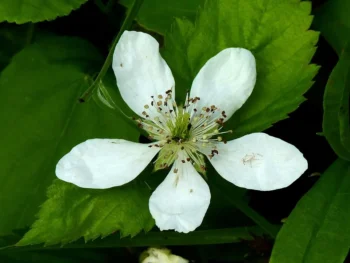
Hillsborough Blackberry: Florida’s Mysterious Native Treasure
Meet the Hillsborough blackberry (Rubus ucetanus), one of Florida’s most enigmatic native plants. This little-known species represents both the incredible diversity of our native flora and the urgent need for plant conservation. If you’re a Florida gardener interested in native plants, this rare gem has quite a story to tell.
A Florida Original
The Hillsborough blackberry is a true Florida native, endemic to the Sunshine State. As a perennial shrub in the Rubus genus (the same family that gives us raspberries and blackberries), it shares DNA with some of our favorite edible berries, but this particular species is in a class of its own.
Where in the World?
This rare blackberry calls Florida home, though its exact distribution within the state remains somewhat of a botanical mystery. Its very limited range makes it a true Florida specialty.
- Species observed
- No observations
Small but Mighty
Don’t expect a towering berry bush with the Hillsborough blackberry. This is a petite performer, typically staying under 1.5 feet tall and rarely exceeding 3 feet at maturity. Its low-growing, shrubby habit makes it quite different from the vigorous, climbing blackberries many gardeners know.
The Conservation Reality Check
Here’s where things get serious, fellow plant lovers. The Hillsborough blackberry has a Global Conservation Status of SUSHQ, which essentially means its conservation status is undefined – and that’s concerning. When scientists can’t even pin down a conservation status, it often indicates a species is extremely rare, poorly documented, or possibly even extinct in the wild.
Should You Plant It?
The short answer? Probably not, and here’s why:
- Extreme rarity makes it nearly impossible to source responsibly
- Unknown growing requirements mean success would be unlikely
- Conservation concerns make collection from wild populations inappropriate
- Limited research means we don’t understand its ecological needs
Better Alternatives for Your Florida Garden
Instead of chasing this botanical unicorn, consider these fantastic native alternatives that will give you similar benefits with much better success:
- Southern Dewberry (Rubus trivialis) – A low-growing native with delicious berries
- Highbush Blueberry (Vaccinium corymbosum) – Native berries that wildlife absolutely love
- Beautyberry (Callicarpa americana) – Stunning purple berries and excellent wildlife value
The Bigger Picture
The story of the Hillsborough blackberry reminds us why native plant conservation matters. Every rare species represents millions of years of evolution and unique genetic material that, once lost, can never be recovered. By choosing well-documented native plants for our gardens, we support conservation while creating beautiful, functional landscapes.
What You Can Do
While you probably won’t be growing Hillsborough blackberry anytime soon, you can still make a difference:
- Plant other native Florida species to support local ecosystems
- Support botanical research and conservation organizations
- Learn to identify and report rare plants if you encounter them
- Choose responsibly sourced native plants from reputable nurseries
Sometimes the most important plants are the ones we can’t have. The Hillsborough blackberry serves as a reminder that Florida’s native plant diversity is both precious and fragile. While we may not be able to welcome this particular species into our gardens, we can honor it by protecting and celebrating the native plants we can grow successfully.