Hillside Clermontia: A Rare Hawaiian Treasure for Your Tropical Garden
If you’re passionate about native Hawaiian plants and conservation gardening, you’ve probably heard whispers about the elusive hillside clermontia. This remarkable shrub, scientifically known as Clermontia lindseyana, is one of Hawaii’s most precious botanical gems – and unfortunately, one of its rarest.
What Makes Hillside Clermontia Special?
Hillside clermontia is a perennial shrub that embodies the unique beauty of Hawaii’s native flora. As a multi-stemmed woody plant, it typically reaches heights of 13 to 16 feet, though it can sometimes grow taller under ideal conditions. What sets this plant apart isn’t just its attractive tubular flowers in shades of white to pale yellow, but its incredible rarity and ecological significance.
A Plant in Crisis: Understanding Its Endangered Status
Important Conservation Alert: Before we dive into growing tips, it’s crucial to understand that hillside clermontia is critically endangered. With a Global Conservation Status of S1 (Critically Imperiled) and listed as Endangered in the United States, this species has typically 5 or fewer occurrences in the wild with very few remaining individuals – fewer than 1,000 plants total.
If you’re considering adding this plant to your garden, please ensure you source it only from legitimate conservation nurseries or botanical institutions working on species recovery. Never collect from wild populations.
Where Does Hillside Clermontia Come From?
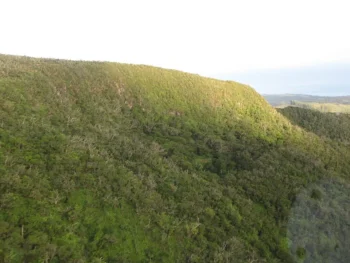
This Hawaiian endemic is found exclusively in the Hawaiian Islands, where it once thrived in the state’s wet forest ecosystems. Its natural habitat gives us important clues about how to successfully grow it in cultivation.
- Species observed
- No observations
Why Grow Hillside Clermontia?
Despite its challenges, there are compelling reasons to consider this plant:
- Conservation impact: Growing hillside clermontia helps preserve genetic diversity and supports species recovery efforts
- Authentic Hawaiian landscaping: Perfect for creating genuine native Hawaiian plant gardens
- Pollinator support: The tubular flowers are specially adapted to attract native Hawaiian birds
- Unique beauty: Its distinctive flowers and growth habit add tropical elegance to appropriate gardens
Growing Conditions and Care
Hillside clermontia isn’t a plant for beginners, but dedicated gardeners in suitable climates can succeed with proper care:
Climate Requirements: This tropical native requires USDA hardiness zones 10-12. If you live outside these zones, container growing in a greenhouse might be your only option.
Light and Location: Provide partial shade to filtered light, mimicking the understory conditions of Hawaiian wet forests. Avoid harsh, direct sunlight which can stress the plant.
Soil Needs: Well-draining soil that retains consistent moisture is essential. Think moist but not waterlogged – similar to its native wet forest habitat.
Water Requirements: Maintain consistent soil moisture without creating waterlogged conditions. This plant doesn’t tolerate drought well.
Planting and Ongoing Care Tips
- Choose a protected location away from strong winds
- Mulch around the base to help retain soil moisture
- Monitor for any signs of stress, as rare plants can be more sensitive
- Consider joining or supporting Hawaiian plant conservation groups to stay informed about best practices
The Bottom Line
Hillside clermontia represents both an opportunity and a responsibility. While it can be a stunning addition to tropical gardens, its critically endangered status means every plant counts toward species survival. If you’re committed to conservation gardening and have the right growing conditions, this rare beauty could be a meaningful addition to your landscape – just make sure you’re sourcing it responsibly.
Remember, sometimes the most impactful gardening choices aren’t just about what looks good, but about what helps preserve our planet’s incredible botanical diversity for future generations.