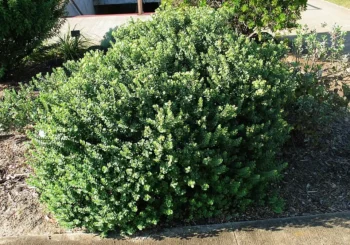
Hillside False Ohelo: A Rare Hawaiian Native Worth Protecting
If you’re passionate about native Hawaiian plants and conservation gardening, you’ve probably never heard of hillside false ohelo (Wikstroemia uvaursi). This little-known shrub is one of Hawaii’s botanical treasures—and unfortunately, one of its most imperiled species. But don’t let its rarity scare you away from learning about this fascinating native plant!
What Makes Hillside False Ohelo Special?
Hillside false ohelo is a low-growing, multi-stemmed shrub that’s perfectly adapted to Hawaii’s unique ecosystem. This perennial woody plant typically grows to about 3 feet tall and spreads in a prostrate, ground-hugging form that makes it excellent for covering slopes and rocky areas. Its yellow-green foliage provides year-round color, while small yellow flowers bloom throughout the year, followed by bright red fruits that add seasonal interest.
Where Does It Come From?
This plant is endemic to Hawaii—meaning it grows naturally nowhere else on Earth. You’ll find it scattered across the Hawaiian islands in dry to mesic forests and shrublands, typically on hillsides and slopes (hence the hillside in its common name).
- Species observed
- No observations
The Conservation Reality Check
Here’s the important part: hillside false ohelo has a Global Conservation Status of S2, which means it’s considered Imperiled. With typically only 6 to 20 known occurrences and fewer than 3,000 individual plants remaining in the wild, this species is extremely vulnerable to extinction. If you’re interested in growing this plant, it’s absolutely crucial that you source it from reputable native plant nurseries that propagate from ethically collected seed or cuttings—never collect from wild populations.
Garden and Landscape Uses
Despite its rarity in nature, hillside false ohelo can play several valuable roles in the right garden setting:
- Ground cover for slopes and erosion-prone areas
- Low accent shrub in native Hawaiian plant gardens
- Conservation plantings to help preserve the species
- Xeriscaping projects due to its low water needs
- Naturalistic landscapes that mimic Hawaii’s dry forest ecosystems
Growing Conditions and Care
Hillside false ohelo is surprisingly adaptable once you understand its preferences. This shrub thrives in:
- Soil: Well-draining, coarse to medium-textured soils (avoid heavy clay)
- Sun exposure: Full sun (shade intolerant)
- Water: Low drought tolerance, so regular watering is needed, but avoid overwatering
- Climate: Frost-free areas only (USDA zones 10-12)
- Fertilization: Low fertility requirements—go easy on the fertilizer
Planting and Care Tips
Growing hillside false ohelo successfully requires attention to a few key details:
- Plant in spring or early summer when growth is most active
- Ensure excellent drainage—this plant cannot tolerate waterlogged soil
- Space plants 4-8 feet apart if using multiple specimens
- Mulch lightly to retain moisture but don’t pile mulch against the stems
- Prune lightly if needed, as this plant has good resprouting ability
- Protect from strong winds, especially when young
Propagation Possibilities
If you’re lucky enough to have access to this plant, it can be propagated through several methods including seeds, cuttings, and sprigs. Seeds are produced year-round, and seedlings show high vigor once established. However, both seed spread and vegetative spread rates are slow, so patience is essential.
Wildlife and Pollinator Benefits
While specific wildlife relationships aren’t well-documented for hillside false ohelo, its year-round flowering likely provides nectar for native Hawaiian insects. The red fruits may also provide food for birds, though more research is needed to fully understand its ecological relationships.
The Bottom Line
Hillside false ohelo is a plant that deserves our attention and protection. If you live in Hawaii or another tropical climate and are passionate about native plant conservation, consider adding this rare beauty to your garden—but only with responsibly sourced plants. By growing hillside false ohelo, you’re not just adding an interesting native plant to your landscape; you’re participating in conservation efforts that could help save this species from extinction.
Remember, every plant we grow responsibly is a step toward preserving Hawaii’s unique botanical heritage for future generations. That’s worth celebrating, don’t you think?