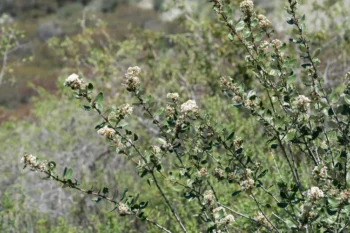
Hoaryleaf Ceanothus: A Fragrant Native Gem for Your California Garden
If you’re looking to add a touch of wild California beauty to your landscape, hoaryleaf ceanothus (Ceanothus crassifolius) might just be the perfect shrub for you. This native beauty brings together drought tolerance, wildlife appeal, and those gorgeously fragrant spring blooms that make California’s chaparral so enchanting.
What Makes Hoaryleaf Ceanothus Special?
This perennial shrub earns its common name from its distinctive thick, leathery leaves that have a grayish-green, almost hoary appearance. But don’t let that understated foliage fool you – come spring, this plant transforms into a cloud of fragrant white to pale blue flower clusters that’ll have you (and every bee in the neighborhood) absolutely smitten.
As a multi-stemmed woody shrub, hoaryleaf ceanothus typically stays a manageable size, usually growing less than 13 to 16 feet tall. This makes it perfect for most home landscapes where you want impact without overwhelming your space.
Where Does It Call Home?
Hoaryleaf ceanothus is a true California native, naturally found throughout the Golden State’s chaparral and oak woodland communities. It’s perfectly adapted to the Mediterranean climate that defines much of California’s landscape.
- Species observed
- No observations
A Note About Conservation
Here’s something important to keep in mind: hoaryleaf ceanothus has a conservation status that suggests it may be somewhat uncommon in the wild. If you decide to add this beauty to your garden, make sure you source it from reputable native plant nurseries that propagate their plants responsibly rather than collecting from wild populations.
Why Your Garden (and Local Wildlife) Will Love It
This shrub is like a wildlife magnet disguised as a low-maintenance landscape plant. The fragrant spring blooms are absolutely irresistible to:
- Native bees and honeybees
- Butterflies
- Other beneficial pollinators
Beyond the pollinator party, hoaryleaf ceanothus fits beautifully into several garden styles. It’s perfect for naturalistic gardens where you want that wild California look, drought-tolerant landscapes where every drop of water counts, and even erosion control on slopes where its strong root system really shines.
Growing Conditions: Keep It Simple
One of the best things about hoaryleaf ceanothus is that it basically wants to be left alone – in the best possible way. Here’s what makes this plant happy:
- Sunlight: Full sun is ideal
- Soil: Well-draining soil is absolutely essential – think sandy or rocky rather than heavy clay
- Water: Drought tolerant once established, but appreciates occasional deep watering during its first year
- Climate: Thrives in USDA hardiness zones 8-10
Planting and Care Made Easy
The secret to success with hoaryleaf ceanothus is thinking like Mother Nature. Here are some tried-and-true tips:
- Timing: Plant in fall when the weather cools down – this gives the roots time to establish before the hot, dry summer
- Drainage: If your soil tends to hold water, consider planting on a slight mound or slope
- Watering: During the first year, provide occasional deep watering, then step back and let nature take over
- Pruning: Minimal pruning needed – just remove any dead or damaged branches
Perfect Garden Companions
Hoaryleaf ceanothus plays well with other Mediterranean and native California plants. Consider pairing it with salvias, manzanitas, or native grasses for a cohesive, water-wise landscape that celebrates California’s natural beauty.
The Bottom Line
If you’re gardening in California and want a beautiful, low-maintenance native shrub that supports local wildlife while adding fragrance and charm to your landscape, hoaryleaf ceanothus deserves a spot on your wishlist. Just remember to source it responsibly, give it good drainage, and then sit back and enjoy the show when those spring blooms arrive.
Your garden – and the local ecosystem – will thank you for choosing this wonderful native plant.