Ho’awa: A Vulnerable Hawaiian Treasure for Your Native Garden
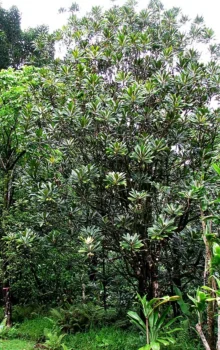
If you’re passionate about Hawaiian native plants and want to add something truly special to your garden, let me introduce you to ho’awa (Pittosporum confertiflorum). This endemic Hawaiian shrub is a botanical gem that deserves our attention—and our protection.
What Makes Ho’awa Special?
Ho’awa is a perennial shrub that’s found nowhere else in the world except the Hawaiian Islands. This multi-stemmed woody plant typically grows as a compact shrub, usually staying under 13-16 feet tall, though it can occasionally grow taller under the right conditions. What makes it particularly charming are its glossy, leathery leaves and clusters of small, fragrant flowers that add both beauty and sweet scent to any landscape.
Where Does Ho’awa Grow?
This remarkable plant is endemic to Hawaii, meaning it evolved here and exists naturally nowhere else on Earth. You’ll find it growing throughout the Hawaiian Islands, where it has adapted to the unique climate and growing conditions of this Pacific paradise.
- Species observed
- No observations
A Conservation Concern Worth Addressing
Here’s something important every gardener should know: ho’awa has a Global Conservation Status of S3, which means it’s considered vulnerable. With typically only 21 to 100 occurrences remaining and between 3,000 to 10,000 individuals in the wild, this plant needs our help. The good news? You can be part of the solution by growing it responsibly in your garden—but only if you source it properly from reputable native plant nurseries or conservation programs.
Why Grow Ho’awa in Your Garden?
There are several compelling reasons to consider adding ho’awa to your landscape:
- It’s a living piece of Hawaiian natural heritage
- The fragrant flowers attract pollinators, including native Hawaiian insects
- It’s drought tolerant once established, making it perfect for water-wise gardening
- The compact shrub form works well for screening or as an ornamental focal point
- You’re directly contributing to conservation efforts by growing this vulnerable species
Perfect for These Garden Styles
Ho’awa shines in Hawaiian native plant gardens, coastal landscapes, and dry garden designs. It’s particularly well-suited for gardeners in USDA hardiness zones 10-12 who want to create authentic Hawaiian landscapes or contribute to native habitat restoration efforts.
Growing Conditions and Care
Ho’awa has a wetland status of Facultative Upland, which means it usually prefers non-wetland conditions but can tolerate some moisture. Here’s what this adaptable shrub needs to thrive:
- Well-draining soil is absolutely essential—soggy roots are a no-go
- Partial to full sun exposure
- Once established, it’s quite drought tolerant
- Minimal fertilization needed
- Light pruning if you want to maintain shape, but it’s not necessary
Planting and Care Tips
When planting ho’awa, focus on getting the drainage right. If your soil tends to hold water, consider planting in raised beds or adding organic matter to improve drainage. Water regularly during the establishment period (first year), then reduce watering as the plant becomes more self-sufficient. This hardy shrub doesn’t need much fussing once it’s settled in.
A Responsible Choice for Hawaiian Gardens
Growing ho’awa is more than just adding another pretty plant to your garden—it’s about participating in conservation and celebrating Hawaiian botanical heritage. Just remember to source your plants responsibly from reputable native plant nurseries that propagate from ethically collected seeds or cuttings. Never collect plants from the wild, as this vulnerable species needs every individual it can get in its natural habitat.
By choosing ho’awa for your garden, you’re not just growing a beautiful, fragrant shrub—you’re helping ensure that future generations will be able to enjoy this unique piece of Hawaiian natural history.