Hoffmann’s Teddybear Cholla: A Rare Desert Gem Worth Knowing About
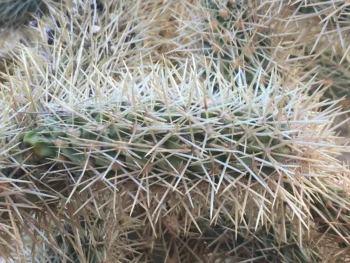
Meet Hoffmann’s teddybear cholla (Cylindropuntia ×fosbergii), one of California’s more elusive desert residents. This perennial shrub might not be the easiest plant to find at your local nursery, but it’s certainly worth learning about – especially if you’re passionate about rare native plants.
What Makes This Cholla Special?
Hoffmann’s teddybear cholla is actually a hybrid species, as indicated by the × in its scientific name. This fascinating plant represents nature’s own experiment in desert adaptation. Like other chollas, it’s a member of the cactus family and has evolved to thrive in some pretty challenging conditions.
As a perennial shrub, this cholla typically grows as a multi-stemmed woody plant, usually staying under 13-16 feet in height. It may develop several stems from ground level, though environmental conditions can influence its exact growth pattern.
Where You’ll Find It
This rare beauty calls California home, making it a true Golden State native. However, don’t expect to stumble across it on every desert hike – Hoffmann’s teddybear cholla has a Global Conservation Status of S2Q, which signals it’s uncommon and deserving of our attention and protection.
- Species observed
- No observations
A Word of Caution: Rarity Matters
Here’s where things get important: if you’re considering adding this plant to your collection, please proceed thoughtfully. Due to its rarity status, any specimens should only come from responsible, ethical sources that don’t impact wild populations. Never collect from the wild, and always verify that nursery stock has been propagated responsibly.
The Challenge of Growing Hoffmann’s Teddybear Cholla
We’ll be honest with you – detailed cultivation information for this specific hybrid is quite limited. This isn’t unusual for rare native plants, especially hybrids that occur naturally in very specific locations. If you’re lucky enough to source this plant responsibly, you’ll likely need to rely on general cholla care principles:
- Provide excellent drainage – waterlogged soil is a cholla’s worst enemy
- Offer plenty of sunshine – these are desert plants, after all
- Water sparingly, especially during cooler months
- Protect from frost if you’re in a borderline climate zone
Consider These Alternatives
Given the rarity and limited availability of Hoffmann’s teddybear cholla, you might want to consider other native California chollas that are more readily available and better documented for cultivation. These alternatives can give you that authentic desert garden feel while being more accessible and easier to grow successfully.
The Bottom Line
Hoffmann’s teddybear cholla represents something special in California’s desert flora – a rare hybrid that showcases nature’s incredible adaptability. While it may not be the right choice for every garden due to its rarity and limited cultivation information, it’s certainly a plant worth appreciating and protecting.
If you do decide to grow this unique cholla, remember that you’re becoming a steward of a rare piece of California’s natural heritage. Source responsibly, grow with care, and help ensure that future generations can appreciate these remarkable desert survivors.