Holmes’ Hawthorn: A Rare Native Gem Worth Protecting in Your Garden
Meet Holmes’ hawthorn (Crataegus holmesiana), a charming native shrub that’s become something of a botanical treasure in North American gardens. While you might not have heard of this particular hawthorn, it’s a species that deserves serious consideration from native plant enthusiasts—though with an important caveat we’ll discuss.
What Makes Holmes’ Hawthorn Special?
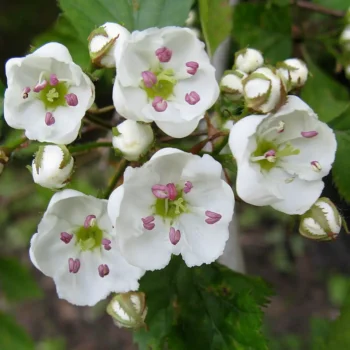
Holmes’ hawthorn is a perennial shrub that typically grows as a multi-stemmed woody plant, usually staying under 13-16 feet in height. Like other hawthorns, it’s armed with thorns and produces clusters of small white flowers in spring, followed by small red berries that wildlife absolutely love.
This species goes by a few scientific aliases, including Crataegus holmesiana var. amicta and Crataegus villipes, but Holmes’ hawthorn remains its most recognized common name.
Where Holmes’ Hawthorn Calls Home
This native beauty has quite an impressive range across northeastern North America. You’ll find it naturally growing in Ontario and Prince Edward Island in Canada, and throughout numerous U.S. states including Connecticut, Quebec, Illinois, Maine, Massachusetts, Michigan, Minnesota, New Hampshire, New Jersey, New York, Ohio, Pennsylvania, Rhode Island, Vermont, West Virginia, and Wisconsin.
- Species observed
- No observations
A Word of Caution: Rarity Status
Here’s where things get serious, fellow gardeners. Holmes’ hawthorn is listed as endangered in New Jersey, with a rarity status of S1, meaning it’s critically imperiled in that state. It’s also listed in both the Pinelands and Highlands regions. This means if you’re considering adding this species to your garden, you absolutely must source it responsibly from reputable native plant nurseries that propagate their own stock rather than collecting from wild populations.
Garden Appeal and Landscape Role
Despite its rarity concerns, Holmes’ hawthorn makes an excellent addition to the right garden setting. Its spring flowers provide early-season nectar for pollinators, while the fall berries feed birds and small mammals. The thorny branches also provide nesting sites and protection for wildlife.
This shrub works beautifully in:
- Naturalized woodland edge plantings
- Wildlife gardens focused on supporting native ecosystems
- Native plant gardens and restoration projects
- Conservation-minded landscapes
Growing Conditions and Care
Holmes’ hawthorn is generally adaptable and low-maintenance once established, thriving in USDA hardiness zones 4-7. While specific growing condition details for this exact species are limited, most hawthorns in this group prefer:
- Full sun to partial shade
- Well-draining soil (though adaptable to various soil types)
- Moderate moisture, becoming drought tolerant with age
Planting and Care Tips
If you’ve sourced responsibly propagated Holmes’ hawthorn, here’s how to give it the best start:
- Plant in fall or early spring when the plant is dormant
- Choose a location with adequate space for its mature size
- Water regularly the first year to establish a strong root system
- Minimal pruning is needed—just remove dead, damaged, or crossing branches
- Be patient—hawthorns can be slow to establish but are worth the wait
Supporting Conservation Through Gardening
By choosing to grow Holmes’ hawthorn from responsibly sourced material, you’re not just adding a beautiful native plant to your landscape—you’re participating in conservation. Every garden that hosts rare native species helps maintain genetic diversity and provides stepping stone habitat for wildlife.
Just remember: never collect this species from the wild, especially in areas where it’s listed as rare or endangered. Instead, seek out specialty native plant nurseries that can provide ethically propagated specimens.
Holmes’ hawthorn may be uncommon, but for gardeners committed to supporting native biodiversity, it represents an opportunity to make a real difference—one thoughtfully planted shrub at a time.