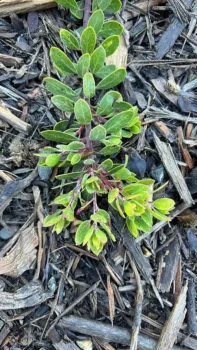
Hooker’s Manzanita: A Rare Coastal Gem Worth Growing Responsibly
Meet Hooker’s manzanita (Arctostaphylos hookeri), a charming native shrub that’s as unique as it is beautiful. This little California treasure might just be the perfect addition to your drought-tolerant garden – but there’s something important you need to know before you start digging.
A True California Native
Hooker’s manzanita is a proud California native, calling the Golden State its one and only home. This perennial shrub has adapted perfectly to coastal conditions and represents the kind of specialized beauty that makes California’s flora so special. As a native plant, it’s naturally suited to support local ecosystems and requires fewer resources than non-native alternatives.
Where You’ll Find It Growing Wild
This manzanita species is endemic to California, with a particularly strong presence along the coast. You’ll find it thriving in the coastal scrub and chaparral communities, where it has evolved to handle sandy soils, salt air, and the Mediterranean climate that defines much of coastal California.
- Species observed
- No observations
An Important Conservation Note
Here’s where things get serious for a moment. Hooker’s manzanita has a Global Conservation Status of S3, which means it’s considered vulnerable. With only 21 to 100 known occurrences and an estimated 3,000 to 10,000 individuals remaining in the wild, this plant is genuinely rare. But don’t let that discourage you from growing it – just be smart about it! Always purchase from reputable native plant nurseries that propagate their own plants rather than collecting from wild populations.
What Makes It Special
This delightful shrub typically grows as a multi-stemmed woody plant, usually staying under 13-16 feet tall, though most specimens are much more compact. What really sets it apart is its year-round appeal:
- Distinctive reddish-brown bark that peels attractively
- Small, leathery evergreen leaves that conserve moisture
- Clusters of white to pink, urn-shaped flowers that bloom in winter and spring
- Small red berries that follow the flowers
- Naturally sculptural growth form that adds architectural interest
Perfect for the Right Garden
Hooker’s manzanita shines in specific garden settings. It’s absolutely perfect for:
- Drought-tolerant and xeriscaped gardens
- Native plant gardens focused on California species
- Coastal gardens where it can enjoy the maritime influence
- Rock gardens and Mediterranean-style landscapes
- Wildlife gardens where you want to support native pollinators and birds
Growing Conditions That Make It Happy
Like most manzanitas, Hooker’s manzanita isn’t particularly fussy – as long as you get the basics right. It thrives in USDA hardiness zones 8-10 and prefers:
- Well-draining, sandy or rocky soil (heavy clay is a no-go)
- Full sun to partial shade
- Minimal water once established
- Good air circulation
- Protection from strong inland winds if you’re not in a coastal area
Planting and Care Tips
Getting your Hooker’s manzanita off to a good start is crucial for long-term success. Here’s how to do it right:
- Plant in fall or early spring when temperatures are mild
- Dig a hole only as deep as the root ball but twice as wide
- Avoid overwatering – this is the quickest way to kill a manzanita
- Apply a light mulch of gravel or wood chips, keeping it away from the trunk
- Prune minimally and only to remove dead or damaged branches
- Be patient – manzanitas are slow growers but worth the wait
Wildlife Benefits
One of the best reasons to grow Hooker’s manzanita is its value to local wildlife. The winter and spring flowers provide crucial nectar for native bees, butterflies, and other pollinators when few other plants are blooming. The berries that follow feed birds, and the shrub itself provides nesting sites and shelter for various species.
Is It Right for Your Garden?
Hooker’s manzanita is definitely worth considering if you’re creating a water-wise garden in the right climate zones and you’re committed to supporting native plant conservation. Just remember that responsible sourcing is non-negotiable – always buy from nurseries that propagate their own plants rather than wild-collect them.
This isn’t a plant for every garden or every gardener. If you’re looking for fast results, need something for heavy clay soil, or want a plant that tolerates regular irrigation, you might want to consider other manzanita species or native alternatives. But if you’re patient, live in the right climate, and want to grow something truly special while supporting conservation efforts, Hooker’s manzanita could be the perfect choice for your landscape.