Hooker’s Manzanita: A Rare California Gem for Your Garden
If you’re looking to add a touch of California’s wild beauty to your landscape, Hooker’s manzanita (Arctostaphylos hookeri hookeri) might just be the perfect choice. This charming native shrub brings year-round interest with its sculptural form, delicate flowers, and wildlife appeal – though its rarity makes it a special treasure worth seeking out responsibly.
What Makes Hooker’s Manzanita Special
Hooker’s manzanita is a perennial shrub that typically stays under 13-16 feet tall, making it perfect for residential landscapes. What sets this manzanita apart is its stunning winter bloom show – just when your garden needs it most, this beauty produces clusters of small, urn-shaped flowers in shades of white to pink. These blooms later develop into attractive red berries that wildlife absolutely loves.
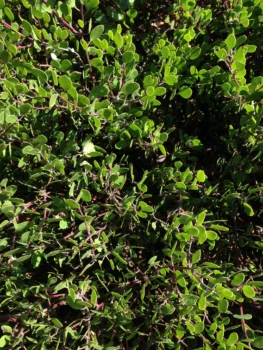
The plant’s smooth, reddish bark provides year-round visual interest, peeling to reveal lighter colors underneath. Its small, oval evergreen leaves maintain the plant’s structure through all seasons, creating a lovely backdrop for the seasonal flower and fruit display.
Where It Calls Home
This California native is quite the local celebrity, naturally occurring only in coastal California regions, particularly around the Monterey Peninsula. As a plant native to the lower 48 states, it’s perfectly adapted to California’s unique climate and growing conditions.
- Species observed
- No observations
A Word About Rarity
Here’s something important to know: Hooker’s manzanita has a conservation status that suggests it may be somewhat rare or vulnerable. If you decide to add this beauty to your garden, please make sure you’re purchasing from reputable nurseries that propagate their plants responsibly rather than collecting from wild populations. This helps protect the natural stands while still allowing you to enjoy this special plant.
Perfect for Mediterranean-Style Gardens
Hooker’s manzanita shines in:
- Mediterranean and drought-tolerant landscapes
- Native California plant gardens
- Coastal garden settings
- Wildlife-friendly landscapes
- Erosion control on slopes
Its naturally sculptural form makes it an excellent specimen plant, while its moderate size allows it to work well in foundation plantings or as part of a mixed native shrub border.
Growing Conditions That Make It Happy
Like most California natives, Hooker’s manzanita appreciates conditions that mimic its natural habitat:
- Sunlight: Full sun to partial shade
- Soil: Well-draining sandy or rocky soils with acidic pH
- Water: Drought-tolerant once established, but avoid summer water near the root crown
- Climate: USDA hardiness zones 8-10
Planting and Care Tips
Getting your Hooker’s manzanita off to a good start is easier than you might think:
- Best planting time: Fall allows the plant to establish during the rainy season
- Watering: Water regularly the first year, then sparingly once established
- Pruning: Light pruning after flowering if needed, but these plants prefer minimal interference
- Soil preparation: Ensure excellent drainage – soggy roots are this plant’s biggest enemy
A Pollinator’s Best Friend
One of the best reasons to grow Hooker’s manzanita is its incredible value to local wildlife. The winter and early spring flowers provide crucial nectar when few other plants are blooming, supporting bees, butterflies, and hummingbirds during a typically lean time of year. The berries that follow feed birds and small mammals, making your garden a true wildlife haven.
Is Hooker’s Manzanita Right for Your Garden?
This lovely native shrub is perfect for gardeners who want to support local ecosystems while enjoying a low-maintenance, drought-tolerant plant with year-round appeal. Just remember to source it responsibly due to its potentially rare status, and you’ll have a unique piece of California’s natural heritage gracing your landscape for years to come.
With its combination of winter flowers, attractive berries, sculptural form, and wildlife benefits, Hooker’s manzanita proves that native plants can be both ecologically responsible and absolutely gorgeous in the garden.