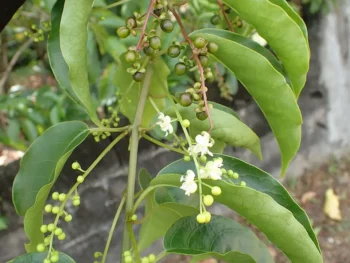
Hoopvine: A Hidden Gem for Southeastern Native Plant Gardens
If you’re looking to add some authentic Florida flair to your native plant garden, you might want to get acquainted with hoopvine (Trichostigma octandrum). This unassuming native shrub might not win any beauty contests, but it’s got character and plays an important role in natural ecosystems throughout the southeastern United States and Caribbean.
What Exactly Is Hoopvine?
Hoopvine is a perennial shrub that’s as American as it gets – well, at least as American as the subtropical regions of Florida, Puerto Rico, and the U.S. Virgin Islands get. This woody plant typically grows with multiple stems arising from the ground, staying under 13-16 feet tall in most conditions, though it can occasionally stretch taller or develop a single stem depending on where it’s growing.
You might also see this plant listed under its old scientific name, Rivina octandra, but don’t let the name confusion fool you – it’s the same reliable native species either way.
Where Does Hoopvine Call Home?
This native beauty has quite a limited range compared to some other southeastern natives. You’ll find hoopvine naturally occurring in Florida, Puerto Rico, and the U.S. Virgin Islands. It’s perfectly adapted to the warm, humid conditions of these tropical and subtropical regions.
- Species observed
- No observations
The Good, The Bad, and The Practical
Why you might want hoopvine in your garden:
- It’s truly native to the region – supporting local ecosystems comes naturally
- Low maintenance once established
- Adds authentic wild Florida character to naturalistic landscapes
- Tolerates a range of moisture conditions
- Perfect for USDA hardiness zones 9-11
Why you might think twice:
- Not particularly showy – this isn’t your showstopper plant
- Very limited availability in the nursery trade
- Requires warm climate year-round
- Limited documented information about wildlife benefits
Growing Hoopvine Successfully
The beauty of native plants like hoopvine is that they’re already perfectly suited to their home turf. Here’s what you need to know:
Location and Conditions: Hoopvine is classified as facultative upland, which is a fancy way of saying it usually prefers well-drained areas but can handle some wetness. It’s quite adaptable to different light conditions and soil types, making it relatively easy to place in your landscape.
Planting Tips: Since this plant isn’t commonly available in nurseries, you might need to source it from specialty native plant sales or propagate it yourself if you can find a source. Plant in spring after the last frost danger has passed.
Care Requirements: Once established, hoopvine is pretty self-sufficient. It’s drought tolerant after the first year, so you won’t need to baby it with constant watering. Minimal pruning is required – just remove any dead or damaged branches as needed.
Landscape Role and Design Ideas
Hoopvine works best as a supporting player rather than the star of your garden show. Consider using it as:
- Background plantings in native plant gardens
- Understory shrubs in naturalistic landscapes
- Part of habitat restoration projects
- Mixed native plantings where authenticity matters more than flashy blooms
The Bottom Line
Hoopvine isn’t going to win any Most Beautiful Shrub awards, but if you’re gardening in its native range and want to create authentic, low-maintenance native plant communities, it deserves consideration. This is especially true if you’re working on habitat restoration or want to support the full spectrum of native plants that naturally occur in your area.
Just keep in mind that finding hoopvine might be your biggest challenge – it’s not exactly flying off nursery shelves. But for dedicated native plant enthusiasts in zones 9-11, tracking down this understated native could add an authentic touch to your landscape that you won’t find in every suburban yard.