Growing Hopue: A Rare Hawaiian Native Worth Protecting in Your Garden
If you’re passionate about native Hawaiian plants and conservation gardening, let me introduce you to hopue (Urera glabra) – a fascinating endemic shrub that deserves more attention from island gardeners. This member of the nettle family might not be the showiest plant in your garden, but it plays an important role in Hawaii’s native ecosystems and offers unique opportunities for conservation-minded landscaping.
What Makes Hopue Special
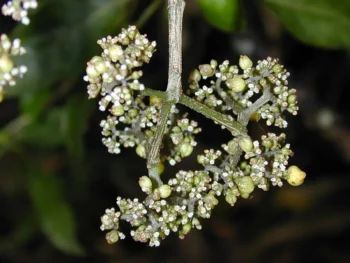
Hopue is a perennial shrub that’s completely endemic to the Hawaiian Islands – you won’t find it growing naturally anywhere else on Earth. As a multi-stemmed woody plant, it typically grows to about 13-16 feet tall, though it can sometimes stretch taller or remain more compact depending on growing conditions. Its broad leaves and inconspicuous flowers give it a understated beauty that works wonderfully in naturalistic garden settings.
Where Hopue Grows
This native Hawaiian shrub is found exclusively across the Hawaiian Islands, where it naturally occurs in various forest habitats. Unfortunately, hopue populations have declined significantly, earning it a vulnerable conservation status with only 21-100 known occurrences remaining in the wild.
- Species observed
- No observations
A Word About Conservation
Here’s something important to know before you rush out to find hopue for your garden: this plant is considered vulnerable due to its rarity. If you’re interested in growing hopue, please make sure you source it responsibly from reputable native plant nurseries that propagate from ethically collected seeds or cuttings. Never collect plants from the wild – every individual matters for this species’ survival.
Why Grow Hopue in Your Garden
There are several compelling reasons to consider hopue for your Hawaiian landscape:
- Support native biodiversity and conservation efforts
- Create authentic Hawaiian forest understory plantings
- Add unique texture and form to native plant gardens
- Participate in preserving Hawaii’s endemic flora
- Enjoy a plant that’s perfectly adapted to local conditions
Growing Conditions and Care
Hopue is relatively adaptable when it comes to moisture – it can handle both wetland and non-wetland conditions, making it quite versatile for different garden situations. However, it generally prefers:
- Partial shade to filtered sunlight
- Moist, well-draining soil
- Protection from strong winds
- Consistent moisture without waterlogging
- USDA hardiness zones 10-12 (tropical conditions)
Landscape Design Ideas
Hopue works beautifully in several garden settings:
- Native Hawaiian restoration gardens
- Forest understory plantings
- Mixed native shrub borders
- Conservation landscapes
- Educational or botanical garden displays
Its moderate size and adaptable nature make it an excellent choice for creating layered plantings that mimic natural Hawaiian forest communities.
Planting and Care Tips
When establishing hopue in your garden, start with healthy nursery-grown plants rather than attempting to grow from seed (which can be challenging). Plant in early spring or fall when temperatures are moderate, and provide regular watering during the establishment period. Once established, hopue is relatively low-maintenance but benefits from occasional pruning to maintain shape and remove any dead or damaged growth.
Mulching around the base helps retain moisture and suppress weeds, while also providing a more naturalistic appearance that mimics forest floor conditions.
The Bottom Line
Growing hopue is ultimately about more than just adding another plant to your garden – it’s about participating in conservation and celebrating Hawaii’s unique botanical heritage. While you’ll need to be thoughtful about sourcing and patient with establishment, the reward is knowing you’re helping preserve a piece of Hawaii’s irreplaceable natural legacy right in your own backyard.
Just remember: source responsibly, plant with care, and enjoy being part of the solution for this vulnerable native species.