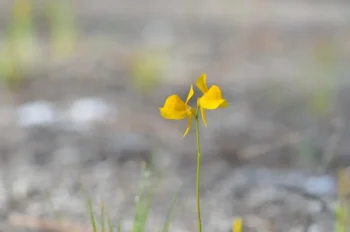
Horned Bladderwort: A Tiny Carnivorous Marvel for Your Wetland Garden
Meet one of nature’s most fascinating micro-predators: the horned bladderwort (Utricularia cornuta). Don’t let its delicate appearance fool you – this petite native plant is actually a carnivorous powerhouse that’s been quietly hunting in North America’s wetlands for millennia. If you’re looking to add something truly unique to your bog garden or water feature, this little beauty might just be the conversation starter you’ve been seeking.
What Makes Horned Bladderwort Special?
Horned bladderwort gets its common name from the distinctive horn-like spur that extends from its bright yellow flowers. But the real magic happens underwater, where this clever plant has developed tiny bladder-like traps to catch microscopic prey. It’s like having a miniature Venus flytrap in your pond – except instead of waiting for insects to walk into its jaws, it creates a vacuum system to suck in unsuspecting water fleas and other tiny organisms.
As a forb (a non-woody flowering plant), horned bladderwort maintains its herbaceous nature throughout its life cycle, which can be either annual or perennial depending on growing conditions. The plant produces cheerful yellow flowers that rise above the water surface on slender stalks, creating a delightful display during its blooming season.
Where Does It Call Home?
This remarkable native plant has quite an impressive range across North America. You’ll find horned bladderwort naturally occurring from Canada’s maritime provinces all the way down to the southeastern United States, spanning an incredible geographic area that includes Alberta, Manitoba, Ontario, Quebec, and numerous U.S. states from Maine to Florida and west to Texas and Minnesota.
- Species observed
- No observations
However, there’s an important consideration for Arkansas gardeners: horned bladderwort has a rarity status of S1 in the state, meaning it’s critically imperiled. If you’re in Arkansas and want to grow this plant, please ensure you source it responsibly from reputable native plant nurseries rather than collecting from wild populations.
Perfect for Specialized Gardens
Horned bladderwort isn’t your typical garden center find, and that’s exactly what makes it special. This plant thrives in very specific conditions that make it perfect for:
- Bog gardens and constructed wetlands
- Carnivorous plant collections
- Container water gardens
- Natural pond edges and shallow water features
- Rain gardens with consistently saturated areas
Its obligate wetland status means it almost always occurs in wetland conditions across all regions of North America, so you’ll need to recreate these specialized growing conditions in your garden.
Growing Horned Bladderwort Successfully
Here’s where things get interesting – and slightly challenging. Horned bladderwort has very particular needs that differ significantly from most garden plants:
Water Requirements: This plant demands constantly saturated to shallowly flooded conditions. Think bog-like moisture levels, not just moist soil. Many successful growers use distilled water or rainwater, as tap water’s minerals can interfere with the plant’s carnivorous adaptations.
Soil Needs: Acidic, nutrient-poor conditions are essential. A mix of sphagnum peat moss and sand works well, or you can use specialized carnivorous plant soil mixes. Avoid regular potting soil or garden soil, which contain too many nutrients.
Light Conditions: Full sun to partial shade works best, with at least 4-6 hours of direct sunlight for optimal flowering.
Hardiness: Suitable for USDA zones 3-9, making it adaptable to a wide range of climates.
Care Tips for Success
- Never allow the growing medium to dry out completely
- Avoid fertilizing – the plant gets its nutrients from captured prey
- Use the tray method: place containers in shallow trays of distilled water
- Protect from strong winds that might damage delicate flower stalks
- In colder zones, provide winter protection or grow in containers that can be moved
Wildlife and Pollinator Benefits
While horned bladderwort’s flowers are small, they do attract tiny flying insects and can contribute to the overall biodiversity of your wetland garden. The plant’s underwater portions also provide habitat for various microorganisms and can support the broader wetland ecosystem food web.
Is Horned Bladderwort Right for Your Garden?
This unique native plant is perfect for adventurous gardeners who want to try something completely different. It’s ideal if you:
- Have or want to create wetland garden conditions
- Are interested in carnivorous plants
- Enjoy plants with fascinating natural histories
- Want to support native biodiversity in specialized habitats
However, it might not be the best choice if you’re looking for low-maintenance plants or don’t have the space or inclination to maintain consistently wet conditions.
Horned bladderwort proves that some of nature’s most incredible adaptations come in the smallest packages. With its carnivorous lifestyle and specialized habitat needs, it’s a plant that will definitely earn you some serious gardening credibility – and provide endless fascination as you watch this tiny predator in action.