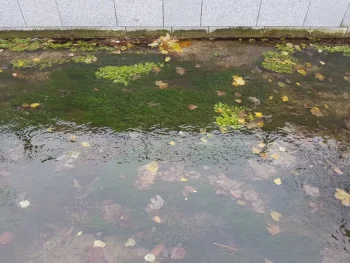
Horned Pondweed: The Unsung Hero of Aquatic Gardens
If you’re looking for a flashy, show-stopping plant for your garden, horned pondweed (Zannichellia palustris) probably isn’t going to make your shortlist. But if you want a hardworking native that supports wildlife and thrives in challenging aquatic environments, this humble underwater plant deserves serious consideration.
What Is Horned Pondweed?
Horned pondweed is a perennial aquatic plant that spends its entire life submerged beneath the water’s surface. As a forb (a non-woody vascular plant), it produces thin, thread-like leaves that create underwater meadows in ponds, lakes, and slow-moving waterways. Don’t expect dramatic blooms or colorful foliage – this plant’s beauty lies in its function rather than its form.
Native Status and Where It Grows
Here’s where horned pondweed really shines: it’s native throughout North America, from Alaska down to the lower 48 states and across Canada. You’ll find it growing naturally in every U.S. state and Canadian province, from Alberta to Newfoundland, and from Alaska to Florida. This incredible geographic range makes it one of our continent’s most widespread native aquatic plants.
- Species observed
- No observations
However, there’s an important caveat for Arkansas gardeners: horned pondweed has a rarity status of S2S3 in that state, meaning it’s uncommon to rare. If you’re in Arkansas and want to grow this plant, make sure you source it responsibly from reputable native plant suppliers.
Why Your Water Garden Needs This Plant
While horned pondweed won’t win any beauty contests, it’s an ecological powerhouse. This plant is classified as an obligate wetland species across all regions of North America, meaning it almost always occurs in wetland environments – it’s perfectly adapted for aquatic life.
The real magic happens when it comes to wildlife support. Water birds rely on horned pondweed for 5% to 10% of their diet, making it a valuable food source for ducks, geese, and other waterfowl. If you’re hoping to attract birds to your property, this unassuming plant could be exactly what you need.
Growing Horned Pondweed Successfully
The good news about horned pondweed is that it’s incredibly adaptable. As a perennial that’s native across such a wide range, it can handle various climate conditions from USDA zones 3 through 10. Here’s what you need to know:
Ideal Growing Conditions
- Must be grown completely submerged in water
- Thrives in shallow to moderately deep water
- Tolerates a wide range of water conditions
- Prefers still or slow-moving water
- Can handle both acidic and alkaline water
Best Uses in Your Landscape
Horned pondweed is perfect for:
- Natural ponds and water gardens
- Wetland restoration projects
- Wildlife habitat enhancement
- Erosion control in aquatic environments
- Creating underwater habitat structure
Planting and Care Tips
One of the best things about horned pondweed is how low-maintenance it is once established. The plant typically spreads naturally through water systems, but you can also introduce it to suitable aquatic environments. Since it’s wind-pollinated rather than dependent on insect pollinators, it doesn’t need special care to reproduce.
The main care requirement is simply maintaining appropriate water levels – remember, this is an obligate wetland plant that must remain submerged to survive.
Should You Plant Horned Pondweed?
If you have a pond, water garden, or are working on wetland restoration, horned pondweed is definitely worth considering. While it won’t provide the visual drama of water lilies or the architectural interest of cattails, it offers something equally valuable: reliable, native ecological function.
This plant is particularly appealing if you want to support local wildlife without ongoing maintenance headaches. Once established, horned pondweed tends to take care of itself while providing consistent benefits to water birds and other aquatic creatures.
Just remember: if you’re in Arkansas, source this plant responsibly due to its rarity status in that state. For everyone else, horned pondweed represents an excellent opportunity to add a truly native, wildlife-supporting plant to your aquatic landscape.