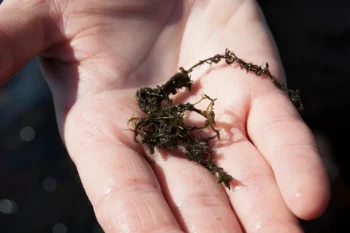
Hornleaf Riverweed: A Fascinating But Uncultivable Native Aquatic Plant
If you’ve stumbled across the name hornleaf riverweed (Podostemum ceratophyllum) while researching native plants, you might be wondering if this unique species could find a home in your garden. The short answer? Probably not – and here’s why this fascinating plant is better admired from afar than grown at home.
What Exactly Is Hornleaf Riverweed?
Hornleaf riverweed is a perennial forb native to eastern North America, but don’t let the word forb fool you into thinking it’s your typical garden plant. This specialized aquatic species has evolved to thrive in one very specific environment: fast-flowing streams and rivers with rocky bottoms. It’s also known by the synonym Podostemum abrotanoides, though you’re unlikely to find it under either name at your local nursery.
Where Does It Naturally Grow?
This native beauty has quite an impressive natural range, stretching across much of eastern North America. You can find hornleaf riverweed growing wild in states from Maine down to Georgia and as far west as Minnesota and North Dakota. It also calls several Canadian provinces home, including New Brunswick, Nova Scotia, Ontario, and Quebec.
- Species observed
- No observations
Why You (Probably) Can’t Grow It
Here’s where things get interesting – and challenging. Hornleaf riverweed is what botanists call an obligate wetland plant across all regions where it grows. But we’re not talking about your garden pond or rain garden here. This plant requires:
- Fast-flowing, well-oxygenated water
- Rocky stream or river bottoms
- Constant water movement
- Very specific water chemistry conditions
Without these precise conditions, hornleaf riverweed simply cannot survive. It’s like trying to keep a deep-sea fish in a goldfish bowl – the specialized habitat requirements make home cultivation nearly impossible.
A Conservation Concern
Here’s another important reason to admire this plant from a distance: in New Jersey, hornleaf riverweed has a rarity status of S2, meaning it’s considered imperiled in the state. This highlights how sensitive these plants are to environmental changes and habitat disruption.
Even if you could somehow recreate the perfect growing conditions, attempting to collect or cultivate rare native plants without proper permits and sustainable sourcing could potentially harm wild populations.
What Makes It Special?
Despite being unsuitable for gardens, hornleaf riverweed plays a crucial ecological role in its native stream ecosystems. Its finely divided, thread-like foliage creates important microhabitats for aquatic insects and other small creatures. The plant’s ability to anchor itself to rocks in rushing water is nothing short of remarkable – it’s essentially nature’s version of underwater Velcro.
The small, inconspicuous flowers appear above water when conditions are right, though they’re hardly what you’d call showy. This isn’t a plant you grow for its aesthetic appeal; it’s more of a botanical marvel that showcases the incredible ways plants can adapt to extreme environments.
Better Alternatives for Your Garden
If you’re looking to support native ecosystems in your garden, there are plenty of other native plants that are much better suited to cultivation. For wetland areas, consider alternatives like:
- Native sedges and rushes
- Wild iris species
- Native water lilies
- Marsh marigold
- Blue flag iris
These plants can provide similar ecological benefits while actually thriving in manageable garden conditions.
The Bottom Line
Hornleaf riverweed is undoubtedly a fascinating piece of our native flora, but it’s definitely a look but don’t touch kind of plant for home gardeners. Its extreme habitat specialization, combined with conservation concerns in some areas, makes it a species best left to thrive in its natural stream environments.
Instead of trying to bring this wild wonder home, consider visiting local streams and rivers where it might naturally occur – just remember to observe respectfully and leave only footprints behind. Your garden will be much happier with more adaptable native alternatives that can actually survive outside of rushing mountain streams.