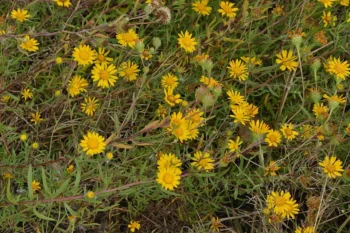
Houston Tansyaster: A Rare Texas Treasure Worth Protecting
If you’re a gardener in Texas looking to make a real conservation impact, let me introduce you to one of the Lone Star State’s most endangered wildflowers: the Houston tansyaster. This little golden beauty might not be a household name, but it’s a true Texas native that desperately needs our help to survive.
What Makes Houston Tansyaster Special?
Houston tansyaster (scientifically known as Rayjacksonia aurea) is a charming annual wildflower that produces cheerful yellow, daisy-like blooms. Don’t let its modest size fool you – this plant packs a punch when it comes to supporting local wildlife and adding authentic Texas character to your garden.
You might also see this plant listed under several scientific aliases in older gardening resources, including Haplopappus aureus, Machaeranthera aurea, or Sideranthus aureus. But no matter what name it goes by, it’s the same special Texas native.
Where Houston Tansyaster Calls Home
This little wildflower is found exclusively in Texas, making it a true state endemic. Its range is quite limited, centered around the Gulf Coast region where Houston gets its name from this plant (or perhaps it’s the other way around!). As an annual forb – that’s garden-speak for a soft-stemmed flowering plant that completes its life cycle in one year – it relies on seeds to carry on to the next generation.
- Species observed
- No observations
A Plant in Peril
Here’s where things get serious, fellow gardeners. Houston tansyaster has a Global Conservation Status of S2, which means it’s imperiled. With typically only 6 to 20 known occurrences and potentially just 1,000 to 3,000 individual plants remaining in the wild, this species is walking a tightrope toward extinction.
If you choose to grow Houston tansyaster, it’s absolutely critical that you source your seeds or plants from reputable native plant suppliers who harvest responsibly. Never collect from wild populations – they simply can’t afford to lose any more plants.
Why Your Garden Needs This Rare Beauty
Growing Houston tansyaster isn’t just about adding another flower to your garden – it’s about becoming a conservation hero. Here’s why this plant deserves a spot in your landscape:
- Authentic Texas heritage: You’ll be growing a plant that’s been blooming in Texas soil for thousands of years
- Pollinator magnet: Those bright yellow composite flowers are like tiny landing pads for native bees, butterflies, and other beneficial insects
- Low maintenance: Once established, it’s quite drought tolerant – perfect for Texas gardeners
- Fall interest: Blooms when many other wildflowers are calling it quits for the season
- Conservation impact: Every plant you successfully grow helps preserve this species for future generations
Perfect Garden Settings
Houston tansyaster shines brightest in:
- Native plant gardens focused on Texas species
- Wildflower meadows and prairie restorations
- Naturalized areas where you want authentic local character
- Pollinator gardens supporting native insects
Growing Houston Tansyaster Successfully
The good news? This Texas native isn’t particularly fussy once you understand its preferences. Here’s how to give it the best shot at thriving:
Climate Zones: Houston tansyaster is suited for USDA hardiness zones 8-10, which covers most of Texas where it naturally occurs.
Soil and Sun: This wildflower loves sandy, well-draining soils and full sun conditions. Think about its natural Gulf Coast habitat – sandy coastal plains with plenty of sunshine.
Planting Tips: Since it’s an annual, you’ll want to direct seed in fall, allowing natural winter stratification to break seed dormancy. Scatter seeds lightly on prepared soil and barely cover them – they need some light to germinate.
Care Requirements: Once established, Houston tansyaster is surprisingly low-maintenance. It’s drought tolerant (very important in Texas!), and as a native, it doesn’t need fertilization. The main thing is ensuring it can complete its life cycle and drop seeds for next year’s generation.
A Garden with Purpose
When you choose to grow Houston tansyaster, you’re doing more than gardening – you’re participating in conservation. This rare Texas wildflower needs gardeners like you to help secure its future. Just remember to source responsibly, and you’ll be rewarded with a unique piece of Texas botanical heritage that supports local wildlife while adding authentic Lone Star character to your landscape.
Every seed that successfully grows in your garden is a small victory for conservation. And honestly, isn’t that the kind of gardening story you’d love to tell?