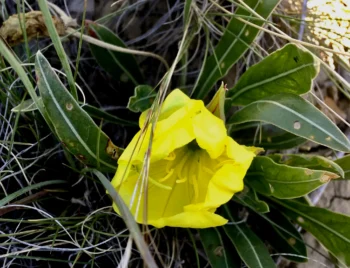
Howard’s Evening Primrose: A Hidden Gem for Western Gardens
If you’re looking for a tough, drought-tolerant native plant that brings a touch of nighttime magic to your garden, Howard’s evening primrose (Oenothera howardii) might just be your new favorite discovery. This unassuming perennial wildflower is a true survivor of the American West, and it’s got some pretty cool tricks up its sleeve.
What Makes Howard’s Evening Primrose Special?
Howard’s evening primrose is a native gem that calls the western United States home. You’ll find this hardy perennial naturally growing across Colorado, Kansas, Nevada, Utah, and Wyoming—a testament to its incredible adaptability to challenging conditions.
- Species observed
- No observations
Also known by its scientific name Oenothera howardii (and sometimes listed under the synonym Lavauxia howardii), this plant is what botanists call a forb—basically a non-woody perennial that dies back to ground level each winter but returns faithfully each spring.
A Word About Conservation
Before we dive into growing tips, here’s something important to know: Howard’s evening primrose has a conservation status of S3S4, which suggests it may face some population pressures in parts of its range. If you’re interested in adding this beauty to your garden, please make sure you source it responsibly from reputable native plant nurseries rather than collecting from wild populations.
Garden Appeal and Landscape Role
Don’t let the name fool you—while Howard’s evening primrose might not be the showiest plant in the garden during the day, it transforms into something magical as the sun sets. The small, cheerful yellow flowers open in the evening and stay open through the night, creating a subtle but enchanting nighttime display.
This low-growing plant forms neat rosettes and works beautifully in:
- Rock gardens and xeriscapes
- Native plant gardens
- Prairie restoration projects
- Naturalized areas
- Challenging sites where other plants struggle
Pollinator and Wildlife Benefits
Here’s where Howard’s evening primrose really shines: it’s a magnet for night-flying pollinators, especially moths. While many gardeners focus on daytime pollinators like bees and butterflies, night-flying pollinators are equally important to ecosystem health. By planting this evening primrose, you’re supporting a whole different shift of garden visitors that often gets overlooked.
Growing Conditions and Care
The best part about Howard’s evening primrose? It’s incredibly low-maintenance once established. This plant is practically built for neglect (in the best way possible).
Ideal growing conditions:
- Full sun exposure
- Well-draining soil (it can’t tolerate soggy conditions)
- USDA hardiness zones 4-8
- Minimal water once established
Planting and Care Tips
Getting Howard’s evening primrose established in your garden is refreshingly straightforward:
- Soil preparation: Ensure good drainage—this is crucial. If you have heavy clay soil, consider adding some sand or gravel to improve drainage
- Watering: Water regularly the first growing season to help establish roots, then back off. Overwatering is more likely to kill this plant than underwatering
- Fertilizing: Skip it! This plant evolved in nutrient-poor soils and actually prefers lean conditions
- Maintenance: Practically none needed. You can deadhead spent flowers if you prefer a tidier look, but it’s not necessary
Is Howard’s Evening Primrose Right for Your Garden?
This native beauty is perfect for gardeners who:
- Want to support native ecosystems and night-flying pollinators
- Are looking for drought-tolerant, low-maintenance plants
- Appreciate subtle nighttime garden interest
- Garden in challenging conditions where other plants struggle
- Are creating native plant or xeriscape gardens
Howard’s evening primrose might not be the star of every garden, but for the right gardener and the right spot, it’s a wonderfully reliable native that asks for almost nothing while giving back to local ecosystems. Just remember to source it responsibly, and you’ll have a tough, beautiful addition to your garden that truly belongs in the American landscape.