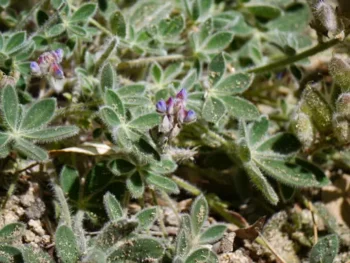
Huachuca Mountain Lupine: A Rare Desert Gem Worth Protecting
If you’re drawn to unique native plants with a story to tell, the Huachuca Mountain lupine (Lupinus huachucanus) might capture your heart—though you’ll need to approach this one with extra care and consideration.
What Makes This Lupine Special
The Huachuca Mountain lupine is a perennial forb, which simply means it’s a non-woody flowering plant that comes back year after year. Like its lupine cousins, it produces the classic spikes of blue to purple flowers that make gardeners swoon. But what truly sets this plant apart isn’t just its beauty—it’s its incredibly limited range and precious rarity.
A Plant with a Very Specific Address
This lupine is a true Arizona native, but not just anywhere in the Grand Canyon State. It calls only the Huachuca Mountains of southeastern Arizona home, making it what botanists call an endemic species. Talk about being picky about your neighborhood!
- Species observed
- No observations
The Rarity Factor: Handle with Care
Here’s where things get serious. The Huachuca Mountain lupine has a Global Conservation Status of S2, meaning it’s imperiled due to extreme rarity. With typically only 6 to 20 occurrences and fewer than 1,000 to 3,000 remaining individuals in the wild, this plant is genuinely rare.
What this means for gardeners: If you’re considering growing this species, you absolutely must source it responsibly. Never collect from wild populations, and only purchase from reputable native plant nurseries that can verify their plants were ethically propagated.
Growing Conditions and Care
Given its mountain habitat, the Huachuca Mountain lupine likely prefers:
- Well-draining soils (lupines generally hate wet feet)
- Full sun to partial shade
- USDA hardiness zones 7-9
- Low to moderate water once established
- Rocky or gravelly soil conditions similar to its native mountainous environment
Like other lupines, this species probably benefits from cooler temperatures and may struggle in extreme desert heat, which makes sense given its high-elevation origins.
Garden Role and Landscape Value
In the right garden setting, Huachuca Mountain lupine could serve as:
- A conservation showcase plant in native gardens
- An educational specimen demonstrating Arizona’s botanical diversity
- A pollinator magnet (lupines typically attract bees and butterflies)
- A conversation starter about rare plant conservation
Should You Plant It?
The answer is complicated. While supporting rare native plants through cultivation can aid conservation efforts, it should only be done responsibly. Consider these points:
Plant it if: You can source it ethically from a reputable nursery, you’re committed to proper care, and you want to contribute to conservation efforts through cultivation.
Consider alternatives if: You can’t verify responsible sourcing or you’re looking for a low-maintenance lupine. Other Arizona native lupines like Lupinus sparsiflorus (Mojave lupine) might be more readily available and less conservation-sensitive.
The Bottom Line
The Huachuca Mountain lupine represents something precious—a plant so specialized and rare that growing it becomes an act of stewardship rather than simple gardening. If you choose to grow this remarkable species, you’re not just adding beauty to your landscape; you’re helping preserve a piece of Arizona’s irreplaceable natural heritage.
Just remember: with great rarity comes great responsibility. Source ethically, grow thoughtfully, and maybe even consider sharing seeds with other conservation-minded gardeners to help ensure this mountain treasure doesn’t disappear from our world entirely.