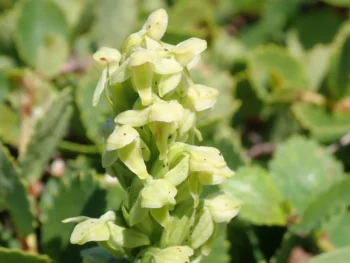
Huron Green Orchid: A Hidden Gem for Wetland Gardens
If you’re looking to add a touch of understated elegance to your bog garden or wetland restoration project, the Huron green orchid (Platanthera huronensis) might just be the perfect choice. This native North American orchid isn’t your typical showy garden flower – it’s more like nature’s best-kept secret, quietly thriving in wet, wild places across the continent.
What Makes the Huron Green Orchid Special?
The Huron green orchid is a perennial wildflower that belongs to the fascinating world of native orchids. Unlike the flashy tropical orchids you might see at the garden center, this humble beauty produces delicate spikes of small, greenish flowers that bloom in summer. The plant typically reaches 6-18 inches tall, making it a subtle but charming addition to naturalistic plantings.
As a forb (that’s botanist-speak for a non-woody flowering plant), it dies back to the ground each winter and returns from underground structures the following spring. Don’t expect rapid growth – like most native orchids, this one takes its sweet time establishing itself.
Where Does It Call Home?
This orchid is truly a North American native, with an impressive range that spans from Alaska and Canada down through many northern U.S. states. You’ll find it naturally growing in places like Alberta, British Columbia, Manitoba, Ontario, Quebec, and extending south into states including Colorado, Maine, Massachusetts, Michigan, Minnesota, New Hampshire, Vermont, Wisconsin, and Wyoming, among others.
- Species observed
- No observations
A Word of Caution: Rarity Matters
Here’s something important to know: in New Jersey, the Huron green orchid has a rarity status of Highlands Listed, SX, which means it’s considered extremely rare or possibly extinct in that region. If you’re lucky enough to find this orchid for sale, make absolutely sure you’re purchasing from a reputable source that propagates plants responsibly rather than collecting from wild populations.
The Wetland Connection
One of the most important things to understand about the Huron green orchid is its love affair with water. This plant is classified as an Obligate Wetland species in most regions, meaning it almost always occurs in wetlands. In the Midwest and Northcentral/Northeast regions, it’s considered Facultative Wetland, which means it usually prefers wet conditions but might occasionally tolerate drier spots.
This wetland preference makes it an excellent choice for:
- Bog gardens
- Rain gardens
- Wetland restoration projects
- Native plant collections focused on moisture-loving species
Growing Conditions: It’s Complicated
Let’s be honest – growing native orchids isn’t for the faint of heart. The Huron green orchid thrives in USDA hardiness zones 2-6, preferring cool, humid conditions. It needs consistently moist to wet, acidic soils and does best in partial shade to full sun.
The tricky part? Like most native orchids, this species depends on specific relationships with soil fungi (called mycorrhizae) to survive and thrive. These partnerships are incredibly complex and difficult to replicate in typical garden settings.
Pollinator and Wildlife Benefits
While the flowers might look modest to us, they’re perfectly designed for their intended visitors – small moths, gnats, and other tiny flying insects. The narrow flower structure means only certain pollinators can access the nectar, making this orchid an important specialized resource in wetland ecosystems.
Should You Grow It?
The Huron green orchid is best suited for experienced native plant gardeners who have the right conditions and patience for a challenging but rewarding plant. Consider this orchid if you:
- Have a naturally wet area in your landscape
- Are working on wetland restoration
- Have experience growing native orchids
- Can source plants responsibly from reputable native plant nurseries
- Live in zones 2-6 with naturally cool, humid summers
If you’re new to native gardening or don’t have consistently wet conditions, you might want to start with more forgiving wetland natives before tackling this beauty. But for those up to the challenge, the Huron green orchid offers a unique opportunity to support native ecosystems while growing one of North America’s more subtle floral treasures.
Remember: patience is key with native orchids. Don’t expect instant gratification, but do expect the quiet satisfaction of nurturing one of nature’s most specialized and fascinating plant families.