Hyssopleaf Hedgenettle: A Rare Native Gem for Wetland Gardens
If you’re passionate about native plants and have a wet spot in your garden that’s been giving you trouble, hyssopleaf hedgenettle (Stachys hyssopifolia) might just be the solution you’ve been looking for. This delicate annual herb is one of those special native plants that thrives where many others struggle – in consistently moist to wet conditions.
What is Hyssopleaf Hedgenettle?
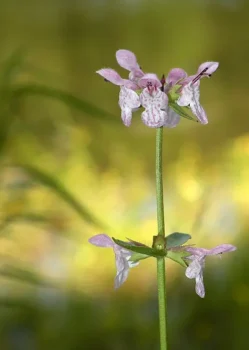
Hyssopleaf hedgenettle is a charming native annual that belongs to the mint family, though it’s quite different from the robust hedgenettles you might be familiar with. As a forb (a non-woody flowering plant), it produces small white to pale pink flowers arranged in terminal spikes above narrow, linear leaves that give it an almost grass-like appearance from a distance.
This native beauty goes by the botanical name Stachys hyssopifolia, and you might occasionally see it listed under older scientific names like Stachys atlantica or Stachys lythroides in some references.
Where Does It Naturally Grow?
Hyssopleaf hedgenettle is native to the eastern United States, with populations scattered across twenty states from Maine down to Florida and as far west as Illinois and Missouri. You’ll find it naturally occurring in Connecticut, Delaware, Florida, Georgia, Illinois, Indiana, Kentucky, Maine, Maryland, Massachusetts, Michigan, Missouri, New Hampshire, New Jersey, New York, North Carolina, Pennsylvania, Rhode Island, South Carolina, and Virginia.
- Species observed
- No observations
A Word of Caution: Rarity Considerations
Before you get too excited about adding this plant to your garden, there’s something important you need to know. Hyssopleaf hedgenettle is considered rare in several parts of its range. In New Jersey, for example, it’s listed as S2, meaning it’s imperiled and at high risk of disappearing from the state. While the global conservation picture is somewhat unclear, this plant deserves our careful attention and respect.
If you decide to grow hyssopleaf hedgenettle, please only source it from reputable native plant nurseries that propagate their stock responsibly rather than collecting from wild populations.
Why Grow Hyssopleaf Hedgenettle?
Despite its rarity concerns, there are compelling reasons to consider this plant if you can source it responsibly:
- Perfect for challenging wet spots in your garden
- Supports native pollinators including small bees and flies
- Adds delicate texture to native plant gardens
- Helps preserve genetic diversity of rare native species
- Ideal for restoration projects and rain gardens
Growing Conditions and Care
Hyssopleaf hedgenettle is quite specific about its growing requirements, which explains both its natural habitat preferences and its rarity:
Moisture Requirements
This plant loves water! In coastal areas, it’s classified as an obligate wetland species, meaning it almost always occurs in wetlands. In other regions, it’s considered a facultative wetland plant, usually preferring wet conditions but occasionally tolerating drier sites. Plan to keep it consistently moist to wet.
Light and Soil
Hyssopleaf hedgenettle thrives in full sun to partial shade and isn’t particularly fussy about soil type as long as moisture levels remain high. It can handle seasonal flooding, making it excellent for rain gardens and bioswales.
Climate Zones
Based on its native range, this annual can be grown in USDA hardiness zones 5 through 9, though it may perform best in zones 6-8 where conditions most closely match its natural habitat.
Planting and Maintenance Tips
- Sow seeds in fall or early spring in consistently moist soil
- Allow the plant to self-seed for future generations
- Avoid fertilizing – native plants typically prefer lean soils
- Mulch around plants to help retain moisture
- Monitor for successful establishment, as this can be a finicky species
Garden Design Ideas
Hyssopleaf hedgenettle works best in specialized garden settings:
- Native wetland gardens
- Rain gardens and bioretention areas
- Pond margins and stream banks
- Native plant collections and botanical gardens
- Ecological restoration projects
Supporting Wildlife
While small in stature, hyssopleaf hedgenettle plays its part in supporting native ecosystems. Its flowers provide nectar and pollen for various native pollinators, particularly smaller species that are well-suited to its delicate blooms.
The Bottom Line
Hyssopleaf hedgenettle is definitely not a plant for every gardener or every garden. It’s best suited for dedicated native plant enthusiasts who have appropriate wet conditions and a commitment to conservation. If you have a persistently soggy spot that’s perfect for wetland plants and you can source this species responsibly, it could be a wonderful addition to your native plant collection.
Remember, growing rare native plants like hyssopleaf hedgenettle is as much about conservation as it is about gardening. By providing a home for this species in your landscape, you’re helping ensure its survival for future generations – just make sure you’re doing it the right way with properly sourced plants.